


Healing a vaginal tear requires proper care, pain management, and hygiene. This article will guide you through effective ways on how to heal a vaginal tear and avoid complications.
Key Takeaways
- Vaginal tears during childbirth are classified into four degrees, with increasing severity and varying care requirements; first and second-degree tears typically heal well, while third and fourth-degree tears necessitate more complex medical intervention.
- Post-birth care for vaginal tears includes pain management strategies, maintaining cleanliness in the perineal area, and utilizing cold packs and over-the-counter pain relievers to facilitate recovery.
- Nutrition and proper hydration are essential for healing after vaginal tears; a balanced diet rich in fiber and staying well-hydrated can help prevent complications like constipation, while pelvic floor exercises support muscle strength and faster recovery.
Understanding Vaginal Tears
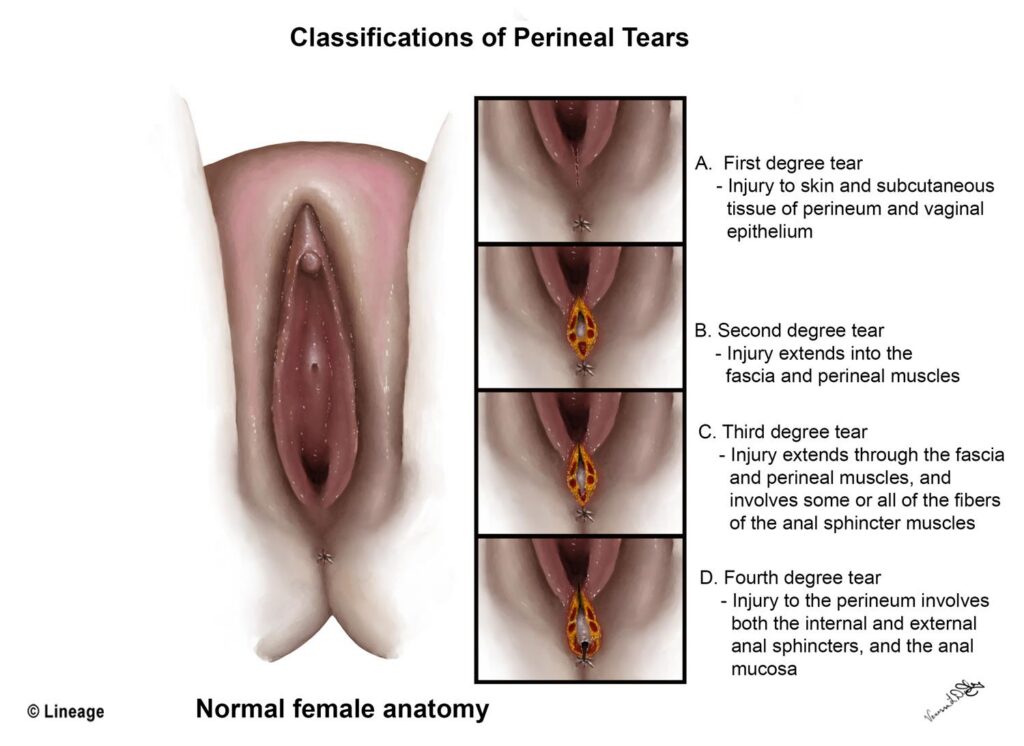
Vaginal tears, also known as perineal tears, are common during childbirth, especially when the baby’s head is too large or the vaginal opening does not stretch enough to accommodate the baby. These tears occur in the perineum, the area between the vagina and anus, and are a natural part of many vaginal birth deliveries. Recognizing the different types and degrees of vaginal tearing aids in providing appropriate care and ensuring a smooth recovery.
The degrees of tears are classified as follows:
- First-degree tears: Involve only the skin and often heal without requiring stitches. A first degree tear often heals without complications.
- Second-degree tears: Extend deeper into the underlying muscle and typically require stitches for proper healing. A second degree tear is more serious than a first degree tear.
- Third-degree tears: More serious, third degree tear extends into the anal sphincter, often necessitating surgical repair and a longer recovery period.
- Fourth-degree tears: The most severe tear, affecting the anal sphincter and the rectal lining, requiring complex surgical interventions and a prolonged healing process. A fourth degree tear can vary in severity.
Factors that increase the risk of vaginal tears include the size of the baby, certain delivery situations, and the vagina’s ability to stretch. While first- and second-degree tears generally have a low likelihood of causing complications, third- and fourth-degree tears can be associated with more significant challenges and require diligent medical care. These distinctions clarify the level of care required for each type of tear.
Immediate Post-Birth Care
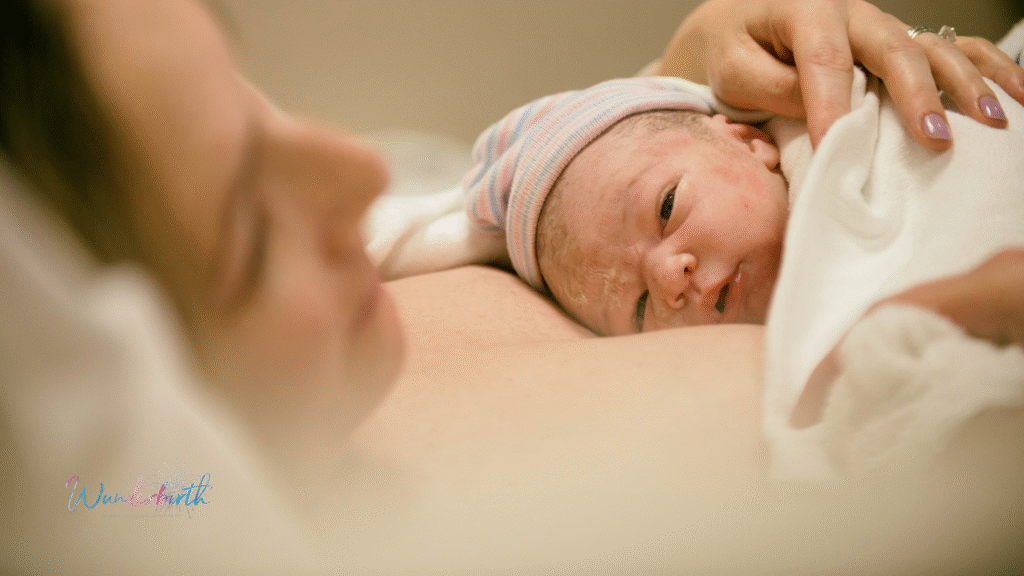
The moments immediately following childbirth are critical for managing vaginal tears. Applying ice packs to the perineal area can significantly reduce pain and swelling during this period. This simple step can make a substantial difference in comfort levels and aid in the initial stages of recovery.
To help manage the discomfort associated with childbirth vaginal tears:
- Over-the-counter pain relievers, such as ibuprofen or acetaminophen, are often recommended.
- In cases of severe pain, epidural morphine might be advised, but it should be closely monitored by healthcare professionals.
- Sitting on soft surfaces or using specially designed pillows helps avoid aggravating the tear and alleviates pressure, so you don’t feel pain.
Having a well-thought-out birth plan that includes strategies for managing perineal tears can provide peace of mind and ensure that you have the necessary supplies and support in the delivery room after giving birth. Utilizing these immediate post-birth care tips lays the groundwork for a smoother recovery process.
Keeping the Area Clean
Keeping the perineal area clean is vital for recovery and infection prevention post-baby’s birth. Rinsing gently with warm water after bathroom use helps maintain cleanliness and prevent perineal wound dehiscence. Using a squirt bottle filled with warm water can make this process easier and more comfortable.
Soaking in a warm bath can also aid in cleansing the area and promoting healing. Avoid using tampons for the first last few weeks postpartum to minimize infection risk. Additionally, changing sanitary pads frequently, ideally after each bathroom visit, helps minimize bacterial growth and keeps the area clean.
To prevent irritation of the tear and promote healing:
- Wipe gently.
- Use soft toilet paper or wipes.
- Gently pat dry instead of wiping to prevent further discomfort.
- Allow fresh air to reach the area when possible to aid in healing.
Pain Management Strategies
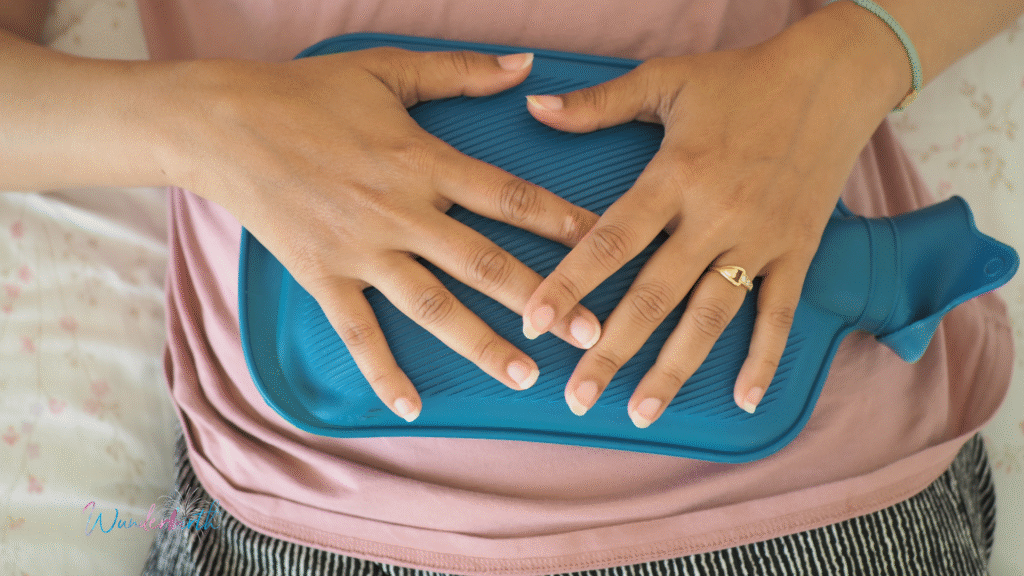
Managing pain effectively is key to a smoother recovery from vaginal tears. Over-the-counter pain medications like acetaminophen and NSAIDs are often the primary choices for pain relief. These medications can significantly reduce pain and inflammation, making the healing process more bearable.
Using a cold pack is a straightforward and effective method for postpartum pain relief. Applying ice to the perineum can help reduce swelling and numb the area, providing immediate pain relief. Additionally, local anaesthetic creams or sprays can be used to alleviate pain directly at the site of the tear.
For severe pain, a spinal anaesthetic may be considered, but this should be discussed with your healthcare provider. Exploring and utilizing various pain management strategies helps find what works best for a more comfortable recovery experience.
Encouraging Healing
Healing after a vaginal tear requires a mix of proper care and lifestyle adjustments. Soaking in a sitz bath or warm water can enhance blood flow to the area, which aids in faster recovery. Staying well-hydrated aids in tissue healing and maintaining energy levels.
Including nutrient-dense foods in your diet can significantly aid in recovering the energy lost during childbirth. Equally important are the following practices:
- Avoid strain, pressure, intense exercise, and heavy lifting, especially after a severe vaginal tear.
- Ensure proper bowel movements.
- Use a footstool to raise your knees above your hips to help avoid straining.
Resting and accepting help from others can greatly aid in the recovery process. Sitting on soft surfaces or using specially designed pillows can alleviate discomfort during this period. Following these strategies encourages a smoother and faster healing process.
Diet and Hydration
A healthy balanced diet is fundamental to recovery after childbirth. Consuming high-fiber foods and drinking plenty of water can help prevent constipation, which can worsen pain from a vaginal tear. Including the following in your diet can provide the necessary nutrients for healing:
- Fruits
- Vegetables
- Cereals
- Wholemeal bread
- Pasta
Hydration is vital for digestion, overall health, and tissue repair. Drink plenty of water to help prevent postpartum constipation and keep your body functioning optimally.
Pour warm water over the perineal area while urinating can reduce discomfort and keep the area clean. Maintaining a healthy diet and staying hydrated supports your body’s natural healing processes, and perineal massage can also be beneficial.
Pelvic Floor Exercises
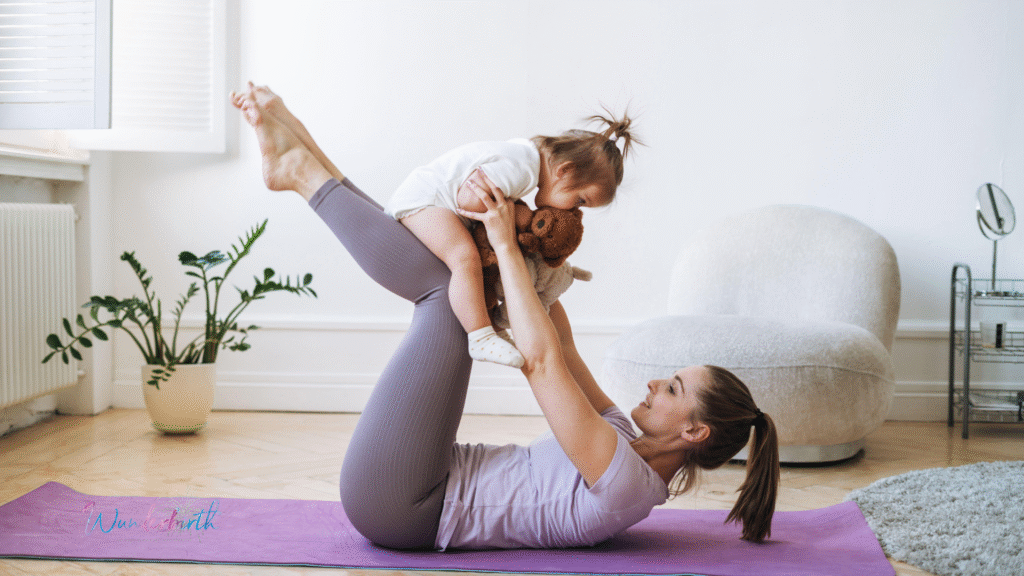
Pelvic floor exercises strengthen the muscles around the vagina and anus, significantly aiding in healing perineal tears. These exercises help reduce pressure on the tear and promote faster recovery. They also play a role in preventing urinary incontinence and other complications.
Regular pelvic floor exercises can protect the perineum and prevent injury during pregnancy, including techniques like the perineum stretch. These exercises involve contracting and relaxing the pelvic floor muscles, which can be done discreetly at any time of the day.
Incorporating pelvic floor exercises into your daily routine can make a substantial difference in your recovery journey. They are simple yet effective in improving muscle strength and overall pelvic health.
When to Seek Medical Advice
Recognizing when to seek medical advice is crucial for preventing complications from vaginal tears. Symptoms of uterine infections, which typically develop within 1 to 3 days after delivery, include:
- A general feeling of illness
- Chills
- Rapid heart rate
- A soft, tender uterus
Experiencing these symptoms warrants immediate contact with a healthcare professional.
Postpartum infections can present with fever, smelly discharge, or new bleeding underneath, which may indicate blood loss. Noticing any of these signs, including an unusual smell, should prompt you to inform your doctor or midwife or health visitor for a thorough examination. If you have concerns, talk to your midwife. Infections can lead to further complications if not treated promptly.
Stitches from a vaginal tear should be closely monitored for signs of infection or wound breakdown. Concerns about your stitches, such as increased pain, pus-like discharge, or feeling unwell, should prompt immediate medical advice. Prompt attention to these issues can prevent more serious health problems.
Summary
In summary, understanding and properly managing vaginal tears is essential for a smooth recovery after childbirth. Immediate post-birth care, maintaining cleanliness, effective pain management, encouraging healing, a healthy diet, and pelvic floor exercises all play crucial roles in this process. Knowing when to seek medical advice is equally important to prevent complications. By following these guidelines, you can navigate the postpartum period with confidence and ensure a quicker return to normalcy.
Frequently Asked Questions
How long do perineal tears take to heal?
Perineal tears typically heal within 6 to 8 weeks, with initial pain or soreness lasting for 2 to 3 weeks post-delivery. Skin stitches usually dissolve within 3 weeks, indicating early stages of recovery.
What are the different degrees of vaginal tears?
Vaginal tears are classified into four degrees: first-degree tears affect only the skin, second-degree tears involve the underlying muscle, third-degree tears extend to the anal sphincter, and fourth-degree tears include the rectal lining. Understanding these classifications is essential for appropriate medical care following childbirth.
How can I manage pain from a vaginal tear?
To effectively manage pain from a vaginal tear, consider using over-the-counter medications such as acetaminophen and NSAIDs, applying cold packs, or utilizing local anesthetic creams or sprays. This approach can help alleviate discomfort during the healing process.
What steps should I take to keep the area clean?
To maintain cleanliness in the area, rinse with warm water after bathroom use, soak in warm baths, change sanitary pads frequently, and refrain from using tampons for the first six weeks postpartum. Following these steps will significantly contribute to your hygiene during this period.
Why are pelvic floor exercises important?
Pelvic floor exercises are essential as they strengthen the muscles surrounding the vagina and anus, aiding in healing, reducing pressure on any tears, and preventing urinary incontinence and related complications. Prioritizing these exercises can lead to significant improvements in pelvic health.

