


Are you curious about giving birth at a birthing center? At these facilities, you’ll experience a homelike, less medicalized environment with a focus on natural births. This article explains what to expect, how birthing centers compare to hospitals, and who they are best suited for.
Key Takeaways
- Birthing centers provide a homelike, low-intervention environment for natural childbirth, prioritizing holistic care and family involvement.
- Pain management at birthing centers relies on natural techniques, with no availability of epidural anesthesia, appealing to those seeking less medical intervention.
- Costs at birthing centers are generally lower than hospitals, making them a viable option for low-risk pregnancies, though insurance coverage varies.
What is a Birthing Center?

A birthing center is a specialized facility designed specifically for low-tech, unmedicated childbirth. Unlike hospitals, which often emphasize medical interventions, birthing centers focus on natural vaginal births led by midwives who prioritize holistic care and wellness principles. These centers offer a homelike, nonmedical environment that normalizes pregnancy and birth as family events.
The atmosphere in birthing centers is intentionally cozy and calming, aiming to create a comfortable setting that minimizes stress and medical interruptions. This supportive environment allows clients to make informed decisions about their maternity care, benefiting from the midwifery model that many birth centers adhere to.
Experience at a Birthing Center
The experience at a birthing center is designed to be warm and inviting, creating a positive atmosphere for both the birthing person and their family. At Grove Creek Medical Center, for example, the environment was described as contributing significantly to a positive birth experience for many families. This warm atmosphere supports family involvement and personal relationships, which in turn helps to decrease stress during labor.
One of the unique aspects of the birth center experience is the level of trust fostered between care providers and families. Decisions regarding who can be present during labor and delivery are made by the individual, with no strict limits on the number of attendees. This flexibility allows for a more personalized and supportive birthing environment.
Pain Management Options
At birthing centers, pain management prioritizes natural methods over pharmacological options. Techniques such as hydrotherapy, where the birthing person can use a birthing tub, and breathing exercises are commonly employed to provide pain relief. These methods align with the wellness model that many birthing centers follow, emphasizing fewer medical interventions and reducing the need for medical intervention.
Epidural anesthesia, a common pain relief method in hospital births, are not available at freestanding birth centers. This focus on natural pain relief methods is a key consideration for those choosing a birthing center, as it aligns with the low-intervention approach that these facilities are known for.
Comparing Birthing Centers to Hospitals
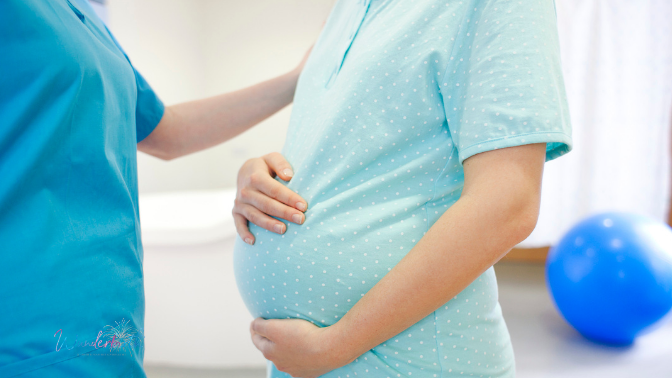
Birthing centers offer a distinctly different experience for labor and delivery compared to hospitals, characterized by:
- A more personalized and homelike environment
- A focus on empathetic and respectful care
- Appeal to those uncomfortable in more clinical settings
- Emphasis on comfort and support during labor in the labor room
- Often lower costs
- High satisfaction rates
- Comparable safety to hospitals
While birthing centers offer a more intimate setting, they also ensure that expert care is available nearby for any advanced medical needs that may arise during emergencies. This balance between comfort and safety is a significant factor for many when choosing their birth setting.
Birth Center vs. Hospital Birth
Freestanding birth centers typically include a care team led by midwives who provide personalized, intimate care. The environment is designed to be more comfortable and homelike compared to hospitals, where the birth settings can often feel more clinical.
Hospitals, on the other hand, offer luxurious private rooms and a wider range of medical options, including the availability of epidurals for pain management and hospital care. In birthing centers, the focus is on low-intervention birth experiences, with alternative pain relief options like hydrotherapy, breathing exercises, and nitrous oxide.
Hospitals, including many hospitals, provide more flexibility in medical procedures, including inductions and C-sections, which are not typically performed at freestanding birth centers. This makes local hospital a better fit for those who may need additional medical support during labor and delivery.
Cost Comparison
One of the significant advantages of birthing centers is their generally lower cost compared to hospitals. This lower cost structure is largely due to their focus on natural births and less reliance on expensive medical interventions. Birthing centers handle primarily low-risk pregnancies, which reduces the need for extensive medical procedures and thus lowering costs overall expenses.
However, insurance coverage for birthing centers can vary by plan and location, so it’s essential to check with your insurance provider about what is covered and any out-of-pocket expenses. Businesses supporting their employees’ choices may find that incorporating a birth center approach can lead to substantial financial savings, especially when considering birth centers covered by their insurance.
Who Should Consider a Birthing Center?

Birthing centers are ideal for those who handle low risk pregnancies and uncomplicated health conditions. Women classified as low-risk are the primary candidates for birthing center care. Eligibility is assessed during each prenatal visit based on established criteria to ensure the safety of both the mother and the baby.
Certain medical conditions, such as hypertension and breech presentation, disqualify patients from birthing center delivery. Pregnant people with chronic conditions like heart disease or untreated infections are also not suitable for birthing centers.
Discussing the risks and benefits of birthing centers with your healthcare provider will help you make an informed decision about reduced risk.
Prenatal and Postpartum Care at Birthing Centers
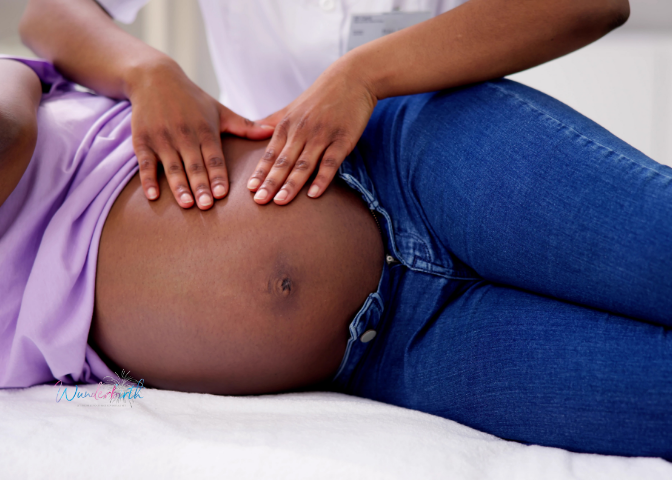
Birthing centers provide comprehensive prenatal and postpartum care, including women’s health services such as:
- Well-woman exams
- Prenatal care
- Childbirth education
- Breastfeeding classes
- Postpartum support
During labor, a nurse midwife or physician is present to provide continuous support, ensuring that the nurse midwives midwifery care provider birthing person feels cared for and supported throughout the process.
Postpartum care at birthing centers includes follow-up visits either at the center or at home to ensure the health of the newborn and support the new parents. The birth center model encourages family involvement, allowing family members to participate as per the birthing person’s wishes, fostering a supportive environment for both the mother and the baby. Birth center care is an essential aspect of this supportive process.
Safety and Emergency Protocols
Safety is a paramount concern at birthing centers, which have established procedures for evacuation and disaster preparedness to ensure the well-being of patients. Staff at birthing centers receive specialized training in emergency response for various potential complications.
Birthing centers maintain continuous communication with local nearby hospitals to facilitate quick transfers in case of emergencies, including hospital delivery. Protocols are in place for monitoring maternal and neonatal benefits during and after transfer to hospitals, ensuring that any complications are promptly addressed.
Confirming that a birthing center is accredited ensures it meets health and safety standards for quality care.
Choosing the Right Birthing Center

Selecting the right birthing center involves several key considerations. Ask about accreditation status, licensure, and compliance with the American Association of Birth Centers (AABC) Standards of Care. The CABC website can help you locate a licensed and accredited birthing center in your area.
Touring the facility allows you to assess its cleanliness, available amenities, and overall comfort. Meeting the staff and asking questions about their approach to care processes can ensure a good fit for your birthing experience. Evaluate all these factors to make an informed choice.
Testimonials from Families
Many families express gratitude for the supportive and compassionate care they received at birthing centers like Grove Creek Medical Center during their birthing experiences. Parents often highlight the personalized attention they received, which made them feel safe and cared for throughout the labor and delivery process.
Several testimonials mention the positive impact of the midwives and nurses in making the birth experience memorable and comfortable. Family testimonials play a vital role in highlighting the positive outcomes of birthing center experiences, showcasing how the supportive environment can lead to improved outcomes for both mother and baby. The newborns program’s impact on birth outcomes is evident in these shared experiences.
Summary
Choosing a birthing center for labor and delivery offers numerous benefits, including a personalized and homelike environment, lower costs, and a focus on natural birthing methods. Birthing centers provide comprehensive prenatal and postpartum care, ensuring continuous support for both the mother and the baby. The safety protocols and emergency procedures in place at these centers further enhance their appeal.
By considering factors such as eligibility, cost, and the overall birthing experience, expectant parents can make an informed decision that aligns with their preferences and needs. As more families share their positive experiences, the appeal of birthing centers continues to grow, offering a durable model for maternity care that emphasizes compassion and support.
Frequently Asked Questions
What is it like to give birth in a birthing center?
Giving birth in a birthing center provides a calm, home-like environment, typically supported by trained midwives and nurses. However, while they offer some pain relief options, they may require transfer to a hospital in case of complications.
Who is eligible to give birth at a birthing center?
Only individuals with low-risk pregnancies and uncomplicated health conditions are eligible to give birth at a birthing center. Eligibility is assessed during prenatal visits to ensure the safety of both the mother and the baby.
What pain management options are available at birthing centers?
Birthing centers primarily focus on natural pain relief options, including hydrotherapy and breathing exercises, as they do not provide epidurals. Therefore, expectant mothers should consider these alternatives for effective pain management during labor.
How do birthing centers compare to hospitals in terms of cost?
Birthing centers typically offer lower costs than hospitals, primarily because they emphasize natural births and minimize expensive medical interventions. It is essential to verify insurance coverage, as it can differ depending on the provider.
What safety protocols are in place at birthing centers?
Birthing centers implement safety protocols that include evacuation procedures, staff training in emergency response, and ongoing communication with local hospitals to ensure prompt transfers during emergencies. These measures are critical for safeguarding the health and safety of mothers and infants.

