


Thinking about water births? This article explains what they are, their benefits like pain relief, and risks, so you can decide if it’s right for you.
Key Takeaways
- Water births provide advantages such as significant pain relief, ease of movement during labor, and a reduced risk of severe perineal tearing.
- Key risks associated with water births include umbilical cord concerns, infection control issues, and limited pain management options compared to conventional births.
- Safety measures for water births emphasize continuous monitoring, proper preparation of the birthing pool, and selecting a well-equipped birth center with trained professionals.
Understanding Water Births

Water birth is a process where labor and delivery occur in warm water, typically in a birthing pool. This method can involve laboring, delivering, or both in a tub filled with warm water, promoting a calm and soothing environment. Unlike conventional births that take place on a hospital bed, a water birth happens in a large, deep tub, which can be located in a hospital, a birthing center, or even at home. Water birthing offers an alternative approach to the traditional methods of childbirth, allowing women to give birth in a more natural setting.
Hydrotherapy, or the use of water for pain relief and treatment, is a core component of water births. The warm water helps reduce stress for both the mother and baby, creating a tranquil atmosphere that makes the birth process feel more natural. As the baby enters an environment similar to amniotic fluid, the transition from womb to world is often gentler, especially when in a tub of warm water.
Many women choose the relaxing, calm, and private environment that a water birth offers compared to traditional hospital settings. This method provides a unique alternative for those seeking a more natural and personal birthing experience, making it an increasingly popular choice at birthing centers and home births alike.
Benefits of Water Births
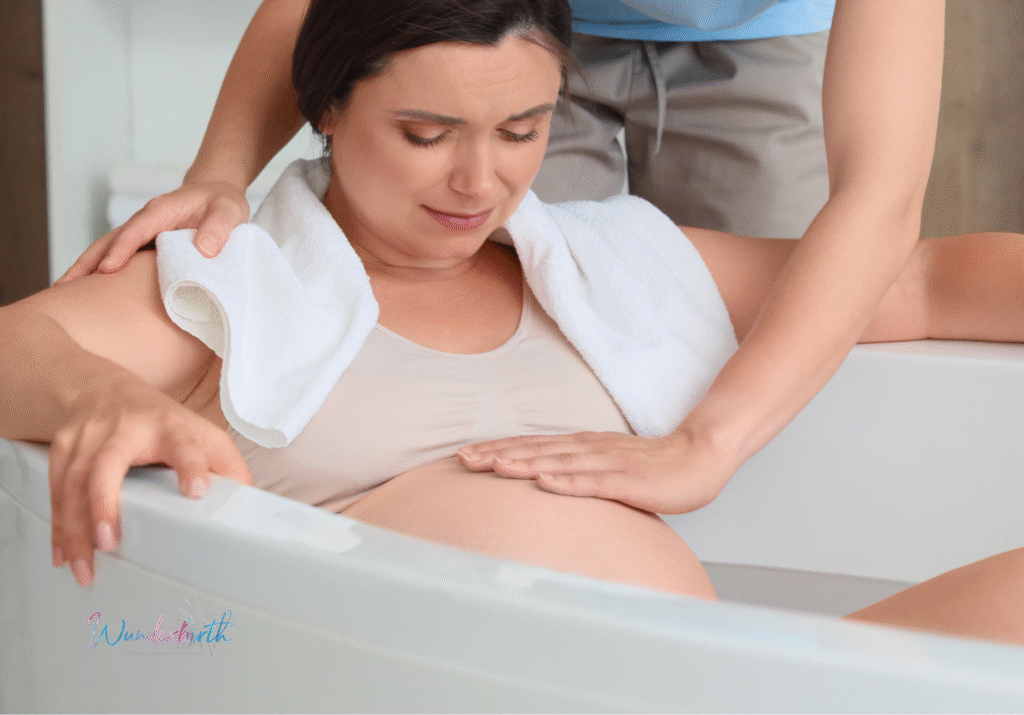
Water births come with a myriad of potential benefits that appeal to many expecting parents. These advantages include significant pain relief and relaxation, ease of movement during labor, and a reduced risk of tearing.
Each of these benefits contributes to a more positive and empowering birth experience.
Pain Relief and Relaxation
One of the most appealing aspects of water birth is the significant pain relief it offers. The warm water in the birthing pool soothes uterine muscles and promotes a calming birth experience. This hydrotherapy effect triggers the release of endorphins, the body’s natural painkillers, leading to improved blood flow to the uterine muscles and a reduction in labor pain. Many women find this environment comforting and report a significantly lower need for pain medication compared to conventional births.
The relaxation benefits of water immersion during labor cannot be overstated. The warm bath helps to lower blood pressure and reduce anxiety, creating a serene atmosphere that enhances the overall birthing experience. Women who labor in water often feel more in control and experience less pain, making the process feel more manageable and empowering.
Overall, water births provide a holistic approach to pain relief and relaxation during labor. This method allows the birthing person to manage pain naturally, reducing the reliance on medical interventions and promoting a more positive birth experience.
Ease of Movement
The buoyancy of water is another significant benefit that facilitates ease of movement during labor. This buoyancy allows the birthing person to move more freely and find comfortable positions that can help shorten the duration of labor. Effective positioning and mobility are crucial for a smoother labor process, and the water provides the necessary support to achieve this.
The duration of labor phases is generally shorter for those who choose water births compared to conventional deliveries. This ease of movement not only contributes to a quicker labor but also helps manage pain more effectively, making the overall experience more positive.
Reduced Risk of Tearing
Water births may also reduce the risk of severe tear perineal tears. The warm water helps to relax the perineum, lowering tension during delivery and reducing the likelihood of severe tearing. This is a significant advantage, as severe perineal tears can lead to long-term complications and discomfort.
Research indicates that the incidence of episiotomies is markedly reduced in women who opt for water births compared to conventional methods. This reduction in the need for fewer interventions like episiotomies highlights the potential benefits of water births in promoting a safer and more natural delivery.
Risks Associated with Water Births

While water births offer many benefits, it is essential to consider the associated risks. These risks include concerns related to the umbilical cord, infection control, and limited pain management options.
Understanding these risk factors helps in making an informed decision about the birthing method.
Umbilical Cord Concerns
One of the significant risks associated with water births is umbilical cord avulsion. This occurs when the umbilical cord snaps, which can happen if the baby is lifted too quickly out of the water. Measures to prevent this include careful lifting techniques and evaluating the cord length before delivery.
Factors that increase the risk of umbilical cord avulsion include having a short cord and improper handling during delivery. Ensuring that healthcare providers are trained in water birth techniques is crucial to minimize this risk.
Infection Control
Infection control is another critical concern during water births. Maintaining the cleanliness of the birthing pool is essential to prevent maternal infection and neonatal infections. Proper disinfection of the birthing pool and regular changing of water are key measures to ensure safety and hygiene.
Despite these precautions, some healthcare professionals express concerns about potential exposure to bacteria in the water. However, studies have not established a significant increase in infection rates for newborns delivered via water birth.
Limited Pain Management Options
Pain management options can be limited during a water birth, as certain methods like epidurals are not viable. This limitation means that women must rely on the natural pain relief provided by the warm water and other non-medical methods to manage labor pain.
While some pain medication can be administered after the mother exits the birthing tub, the options are fewer compared to conventional births. This aspect is important to consider for those who might require more extensive pain management during labor.
Safety Measures and Preparation
Planning for a water birth involves several safety measures and preparations to ensure a smooth and safe delivery. These preparations include monitoring during labor, preparing the birthing pool, and choosing the right birth center.
Monitoring During Labor
Continuous monitoring during active labor is essential to ensure the health and safety of both the mother and the baby’s heart rate. This monitoring includes tracking the mother’s vital signs, the baby’s heart rate, and the overall progress of labor.
Proper fetal monitoring helps in detecting any complications early, allowing for timely interventions if necessary. This careful monitoring is crucial to ensure a safe and positive birth experience.
Preparing the Birthing Pool
Preparing the birthing pool is a critical step in planning for a water birth. The recommended maximum temperature for the pool is 97 degrees Fahrenheit to prevent overheating and dehydration risks. Ensuring that the water temperature is comfortable and safe is essential for the well-being of both the mother and the baby.
Hygiene is another important aspect of preparing the birthing pool. The pool must be thoroughly cleaned before use to prevent infections. Adhering to strict hygiene protocols helps in minimizing water birth risks related to infections.
Choosing the Right Birth Center
Choosing the right birth center is crucial for a safe and positive water birth experience. Important factors to consider include:
- Experience with water births
- Adherence to strict safety and hygiene protocols
- Well-equipped facilities
- Staffed with trained professionals
These elements can ensure a smoother and safer delivery.
A birth center that supports water births will provide the necessary environment and resources to facilitate a positive birth experience at birth centers. This includes having a certified nurse midwife and healthcare providers trained in water birth techniques.
Personal Experiences with Water Births
Many mothers report that water births provide a serene and peaceful atmosphere, making labor feel more natural. The ability to move freely and respond to their body’s needs more intuitively empowers them during the birthing process.
Approximately 78% of participants in the water birth group reported satisfaction with their birth experience, highlighting the positive impact of water births on maternal satisfaction. The hands-off approach of midwives during water births allows mothers to manage their pain naturally and feel more present and connected to the event.
These personal experiences underscore the many benefits of water births, from enhanced control and satisfaction to a more natural and empowering birth process.
Comparing Water Births to Conventional Births
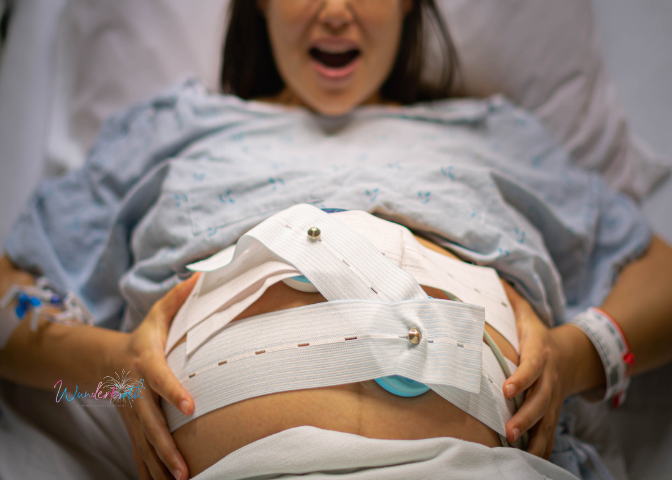
Comparing water births to conventional births reveals notable differences in outcomes and experiences. Babies born in water have better five-minute Apgar scores, indicating improved neonatal health shortly after birth. Additionally, water birth babies show a lower rate of NICU admissions, suggesting a safer initial transition.
The probability of needing a Cesarean for water births is significantly lower at 5%, compared to 16% for conventional births. These differences highlight the potential benefits of water births in reducing the need for medical interventions and promoting a more natural birth process.
Overall, there is no evidence that water births increase the risk of poor health outcomes for newborns or maternal infections. This comparison underscores the safety and benefits of water births for low risk pregnancy.
Professional Guidelines and Recommendations
Current research on water births is limited, indicating the need for more research to fully understand the benefits and risks involved. Experts have differing opinions on the safety of giving birth in water, citing varying interpretations of available evidence.
Major health organizations like the American College of Obstetricians and Gynecologists (ACOG) recommend that childbirth should occur on land until more conclusive data is available. However, the American College of Nurse Midwives (ACNM) supports laboring and delivering in water, emphasizing the potential benefits for low-risk pregnancies.
Supervision by a qualified healthcare provider is critical for ensuring safety during water births.
Summary
Water births offer a unique and natural birthing experience that can provide significant benefits such as pain relief, ease of movement, and a reduced risk of tearing. However, it is essential to consider the associated risks, including umbilical cord concerns, infection control, and limited pain management options. Proper preparation and choosing the right birth center are crucial for a safe and positive water birth.
Ultimately, water births represent a shift towards more personalized birthing experiences. By understanding the benefits and risks, and following professional guidelines, expecting parents can make an informed decision that aligns with their birth preferences. Embrace the journey and make the choice that feels right for you.
Frequently Asked Questions
What is a water birth?
Water birth is the delivery of a baby in warm water, often in a birthing pool, which creates a calm and soothing environment for labor and delivery.
What are the benefits of a water birth?
A water birth offers significant pain relief, allows for ease of movement during labor, reduces the risk of tearing, and promotes a more natural and positive birthing experience. These advantages can enhance both maternal and neonatal wellbeing during delivery.
What are the risks associated with water birth?
Water birth poses some risks, including complications with the umbilical cord, a possibly higher potential for infections, and restricted pain management options. It is essential to weigh these factors carefully before proceeding.
How can I prepare for a water birth?
To prepare for a water birth, ensure continuous monitoring during labor, maintain cleanliness and optimal temperature of the birthing pool, and select a qualified birth center. This careful preparation will help facilitate a smooth and safe experience.
Are water births safe for all pregnancies?
Water births are safe primarily for low-risk pregnancies; however, it is crucial to consult with healthcare providers to assess individual circumstances.

