


Curious about the differences between home births and hospital births? This article dives into the statistics on home births vs hospital births, comparing safety, outcomes, and the frequency of each option. Get ready to learn about key data and trends that could influence your birthing choice.
Key Takeaways
- Home births account for 1 in 50 births in the U.S., reflecting a growing preference among educated parents for personalized birthing experiences, although risks associated with unplanned home births necessitate careful planning.
- Hospital births remain the standard choice primarily due to the comprehensive medical support available, which leads to lower neonatal mortality rates compared to planned home births.
- Maternal outcomes indicate that women opting for home births experience fewer interventions, such as cesarean sections and episiotomies, but face increased risks for unplanned circumstances, necessitating the presence of professional support.
Overview of Birth Settings
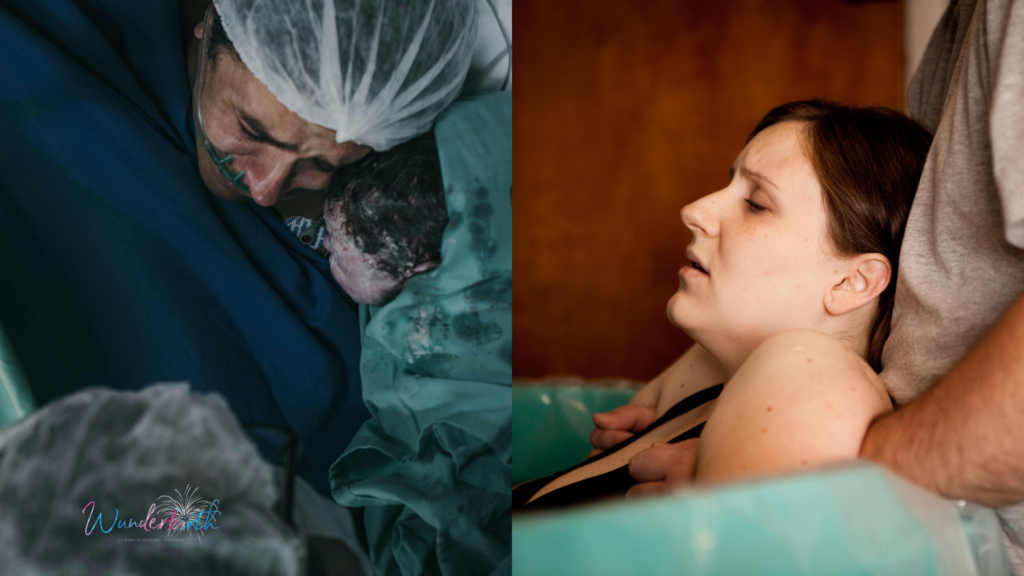
Childbirth is one of the most significant events in a person’s life, and the choice of birth setting plays a crucial role in shaping the experience and outcomes. Birth settings in the United States range from home births to hospital births and accredited birth centers, including a freestanding birth center, each offering unique characteristics and implications for prenatal care, including the planned place of birth, where many choose to give birth.
Both expecting parents and healthcare providers benefit from understanding these settings, as they impact maternal and neonatal health outcomes, influencing decisions that affect the safety and satisfaction of the birthing process.
The American College of Obstetricians and Gynecologists has compiled resources on planned home birth, offering valuable information for those considering this option. These resources help parents make a medically informed decision aligned with their personal preferences and medical needs, particularly in the context of obstet gynecol care and obstetric practice.
Each birth setting will be explored in detail, examining the vital statistics, outcomes, and trends that define them. From the rise in home births to the standard choice of hospital births, this comparison aims to assist in navigating this important decision as part of the north america statistics project.
Home Births in the United States

Home births have seen a significant rise in the United States, now representing 1 in 50 births. This increase reflects a growing desire among parents to have a more personalized and controlled birthing experience. However, it’s worth noting that approximately one fourth of these home births are unplanned or unattended, highlighting the importance of thorough planning and professional support.
Candidates for home births are often well-educated, with the majority holding at least a Bachelor’s degree. This demographic tends to be well-informed about the potential benefits and risks associated with home births. While the popularity of home births has risen, the racial diversity among home birth candidates is lower compared to those choosing birth centers.
Certified professional midwives are crucial in home births, caring primarily for low-risk pregnancies. Trained to handle various childbirth scenarios, they offer personalized care at home. Notably, home birth transfers to hospitals occur less frequently than those from birth centers, suggesting differences in care processes and preparedness.
Although home births are appealing, the decision requires careful consideration due to higher risks associated with unplanned home births. Involving certified professional midwives and having a solid transfer plan to a nearby hospital can significantly mitigate these risks and support home birth.
Hospital Births: The Standard Choice
Hospital births have long been the standard choice for childbirth, endorsed by the American College of Obstetricians and Gynecologists as the safest option for mother and baby. This preference stems from the comprehensive medical support available in hospital settings, including emergency care and advanced medical interventions, particularly for planned hospital births and hospital birth.
Approximately 94% of births attended by certified nurse-midwives in the United States occur in hospitals, demonstrating the trust placed in these settings by healthcare providers and expectant parents. Models prioritizing continuity of care within hospitals have been linked to better patient outcomes and higher satisfaction rates, ensuring consistent care from a dedicated team throughout hospital midwife attended births and hospital midwife deliveries.
Hospital births provide various pain management options, including epidurals and other medical interventions crucial for managing pain and complications during labor. The presence of specialized medical staff, such as obstetricians and anesthesiologists, further enhances the safety and comfort of hospital births.
Comparing Birth Outcomes
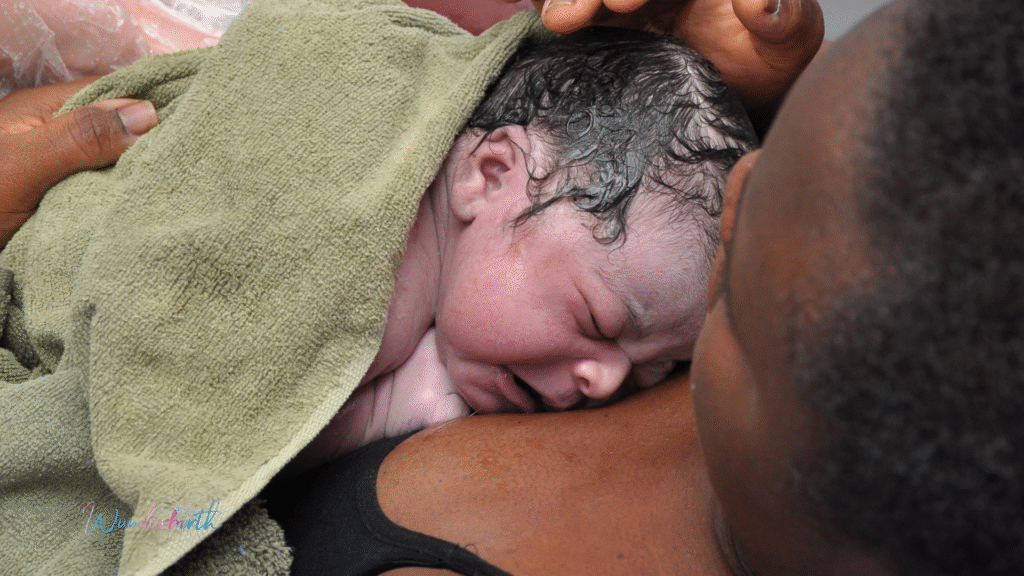
Significant differences emerge when comparing birth outcomes between home and hospital settings. For example, the neonatal mortality rates for planned home births in the United States is 13.66 per 10,000 live births, significantly higher than the 3.27 per 10,000 for hospital births attended by midwives, underscoring the importance to assess neonatal mortality and professional support and emergency readiness.
Unplanned home births pose an even greater risk, with a neonatal mortality rate of 27.98 per 10,000 live births. The increased risk of infant death, neonatal seizures, and adverse neonatal outcomes in planned home births compared to hospital births further highlights the potential dangers of neonatal deaths.
However, planned home births have a perinatal mortality rate of 0.35 per 1000 births, lower than the 0.57 for hospital births attended by midwives and 0.64 for those attended by physicians. This suggests that with proper planning and professional support, home births can achieve favorable outcomes.
The type of birth attendant, whether a certified nurse-midwife or a direct entry midwives, does not significantly impact neonatal mortality outcomes for planned home births. This indicates that the quality of care provided by various types of birth attendants is comparable, given they are well-trained and experienced.
Risk Factors and Safety Considerations
Risk factors and safety considerations are crucial when deciding between home and hospital births. Home births generally have fewer transfer incidents to hospitals compared to births at accredited centers, suggesting a higher level of preparedness. However, community birth settings like home births and birth centers follow different regulatory standards, which can affect care delivery.
Postpartum hemorrhage, a significant concern during childbirth, has a similar incidence rate in both home and hospital births, suggesting comparable safety for this outcome. Current guidelines from the American College of Obstetricians and Gynecologists recommend hospital births as the safest option but acknowledge that planned home births may be acceptable for low-risk pregnancies.
Mitigating risks associated with home births involves having a certified nurse-midwife present and a solid transfer plan. Certain health conditions, such as fetal malpresentation, multiple gestation, and prior cesarean delivery, are absolute contraindications for planned home births. First-time mothers or those with specific health issues may also face heightened risks.
Collaboration between hospital certified nurse-midwives and obstetricians provides a safety net for high-risk deliveries, ensuring effective management of complications. Registered midwives are trained to handle various childbirth situations and complications, further enhancing the safety of home births.
Maternal and Neonatal Outcomes

Maternal and neonatal outcomes differ significantly between home and hospital births. Women who opt for planned home births attended by midwives experience significantly lower rates of obstetric interventions, such as cesarean sections and episiotomies, compared to those who choose hospital births. Only 7.2% of women who planned home births underwent cesarean sections, compared to 10.5% and 11.0% in midwife and physician-attended hospital births, respectively.
Episiotomies, which involve cutting the perineum to aid childbirth, are much less common in home births:
- Only 3.1% of vaginal deliveries in home births involve this procedure
- Compared to 6.8% in midwife-led hospital births
- And 16.9% in physician-led hospital births
Women planning home births also face a significantly reduced risk of experiencing third- or fourth-degree perineal tears, with a relative risk of 0.43 compared to those in hospital settings. Low risk women also benefit from these outcomes, which highlights the relative risks associated with different birthing environments.
Neonatal outcomes show some differences between home births and hospital births, including newborn outcomes:
- Newborns from home births are less likely to require resuscitation at birth, with a relative risk of 0.23 compared to newborns from midwife-attended hospital births.
- Neonatal mortality is notably lower among hospital births attended by certified nurse-midwives compared to home births.
- This difference in mortality is especially pronounced when comparing hospital births to home births attended by non-certified midwives.
Data from national registries suggest that planned home births yield outcomes of planned home comparable to those from accredited birth centers for low-risk pregnancies. Both settings show a comparable rate of perinatal mortality, indicating that with proper planning and professional support, home births can be safe for low-risk pregnancies.
Home birth mothers also experience a notably lower incidence of adverse maternal outcomes, such as postpartum hemorrhage and severe perineal tears, highlighting the potential benefits of home births in reducing certain complications and promoting fewer maternal interventions.
Interventions and Birth Practices
Interventions and birth practices differ significantly between home versus hospital deliveries. Women giving birth at home are significantly less likely to undergo obstetric interventions, such as electronic fetal monitoring and assisted vaginal birth deliveries, compared to those in hospitals. This reflects a more natural approach to childbirth, with fewer interventions and a focus on letting labor progress naturally.
Women who planned home births attended by midwives experienced lower rates of labor interventions compared to those who gave birth in hospitals. The risk of cesarean delivery was also significantly lower among home birth participants compared to those in hospitals with physician care.
Many individuals opt for home births to minimize hospital interventions and gain personal control over the birthing process. This desire for a more personalized and less medicalized birth experience is a key factor driving the increase in home births.
Professional Support and Training
Professional support and training are crucial for safe childbirth, regardless of the setting. Certified professional midwives (CPMs) provide care during home births with a strong focus on natural childbirth. These midwives are trained to handle various childbirth scenarios and offer personalized care tailored to the needs of the mother and baby.
Registered midwives mainly work in birth centers and hospitals, attending births and providing comprehensive prenatal and postpartum care. Hospital certified nurse midwives (CNMs) are trained as both nurses and midwives, offering midwifery care within hospital settings and handling more complicated cases.
Midwifery education includes rigorous training programs, often requiring completion of an accredited midwifery school and clinical experience. Continued professional development ensures that midwives are equipped with the latest knowledge and skills for safe practices in various birth settings, including j midwifery womens health.
Summary
In summary, the choice between home and hospital births is a deeply personal one, influenced by various factors including safety, professional support, and personal preferences. Home births, while offering a more natural and personalized experience, come with higher risks that can be mitigated through proper planning and professional support. Hospital births, endorsed by the American College of Obstetricians and Gynecologists, provide comprehensive medical care and emergency readiness, ensuring the highest level of safety for both mother and baby.
By understanding the statistics, outcomes, and safety considerations discussed in this blog, expectant parents can make informed decisions about their birth settings. Whether opting for a home birth or a hospital birth, the key lies in thorough planning, professional support, and a clear understanding of the potential risks and benefits.
Ultimately, the goal is to ensure a safe and positive birthing experience, tailored to the individual needs and preferences of each family.
Frequently Asked Questions
Are home births becoming more common?
Home births are indeed becoming more common, with a notable 22% increase from 2019 to 2020 and a subsequent 12% rise from 2020 to 2021. Although they still represent a small fraction of total births in the U.S. at approximately 1.51%, the upward trend is clear.
What are the primary differences between home and hospital births?
The primary difference between home and hospital births lies in the nature of the experience; home births emphasize a natural, personalized approach with minimal medical intervention, whereas hospital births prioritize comprehensive medical care and emergency preparedness for enhanced safety.
Are home births safe for all pregnancies?
Home births are considered safe primarily for low-risk pregnancies when adequately planned and supported by professionals, although high-risk conditions warrant hospital deliveries. Therefore, it is crucial to evaluate individual circumstances to ensure safety.
What role do certified professional midwives play in home births?
Certified professional midwives play a crucial role in home births by providing personalized care that prioritizes natural childbirth, ensuring the safety and support of both the mother and baby throughout the process.
How do neonatal outcomes compare between home and hospital births?
Neonatal outcomes are generally more favorable in hospital births compared to home births, particularly regarding higher neonatal mortality rates associated with the latter. Nonetheless, for low-risk pregnancies and with appropriate planning and professional support, home births can achieve acceptable outcomes.

