


Curious about midwives in Hawaii? This guide explains the types of midwives available, such as Certified Nurse Midwives, Certified Professional Midwives, and Traditional Midwives. It will also help you find and choose a licensed midwife that suits your needs.
Key Takeaways
- Hawaii’s midwifery options include Certified Nurse Midwives, Certified Professional Midwives, and Traditional midwives, each with distinct roles and practices.
- Resources for finding licensed midwives in Hawaii include online directories, local midwifery organizations, and community recommendations, which help expectant parents connect with suitable practitioners.
- Addressing racial discrimination and enhancing diversity within the midwifery workforce is crucial for improving maternal health outcomes, particularly for women of color in Hawaii.
Discovering Midwives in Hawaii

Hawaii’s midwifery landscape is as diverse as its culture, offering a range of options for expecting parents. The state is home to:
- Certified Nurse Midwives (CNMs)
- Certified Professional Midwives (CPMs)
- Traditional midwives Each brings their unique expertise to the table. Understanding the different types of midwives and their roles is crucial for anyone seeking support during pregnancy and childbirth.
Different types of midwives offer care in various settings and with distinct focuses:
- Certified Nurse Midwives offer comprehensive care in diverse settings such as hospitals and homes.
- Certified Professional Midwives often focus on home births and traditional practices.
- Traditional midwives bring a deep connection to cultural heritage, preserving indigenous birthing practices through community-based care.
Certified Nurse Midwives (CNMs)
Certified Nurse Midwives (CNMs) in Hawaii are registered nurses with advanced training in midwifery. They combine nursing and midwifery skills to provide comprehensive care during pregnancy, birth, and postpartum. Becoming a CNM requires holding a nursing degree and completing a graduate program accredited by the Accreditation Commission for Midwifery Education (ACME).
CNMs practice in various settings, including hospitals, birth centers, and homes, and they are licensed as advanced practice registered nurses with the authority to provide primary care.
Certified Professional Midwives (CPMs)
Certified Professional Midwives (CPMs) are trained to provide maternity care to women during pregnancy, labor, and the postpartum period. To become a CPM, candidates must complete a midwifery education program and pass the CPM certification exam conducted by the National Midwifery Certification Board.
CPMs primarily differ from CNMs in their educational background and areas of practice, often concentrating on home births and traditional midwifery practices.
Traditional Midwives
Traditional midwifery practices in Hawaii are deeply rooted in community and cultural traditions, often involving unique ceremonies that honor the birthing process. These midwives practice based on cultural customs and community knowledge, often playing a key role in preserving indigenous birthing practices.
Their practices are passed down through generations, emphasizing cultural heritage and art, and serve group community support in science and life. We apply these values to enrich our understanding.
Finding a Licensed Midwife
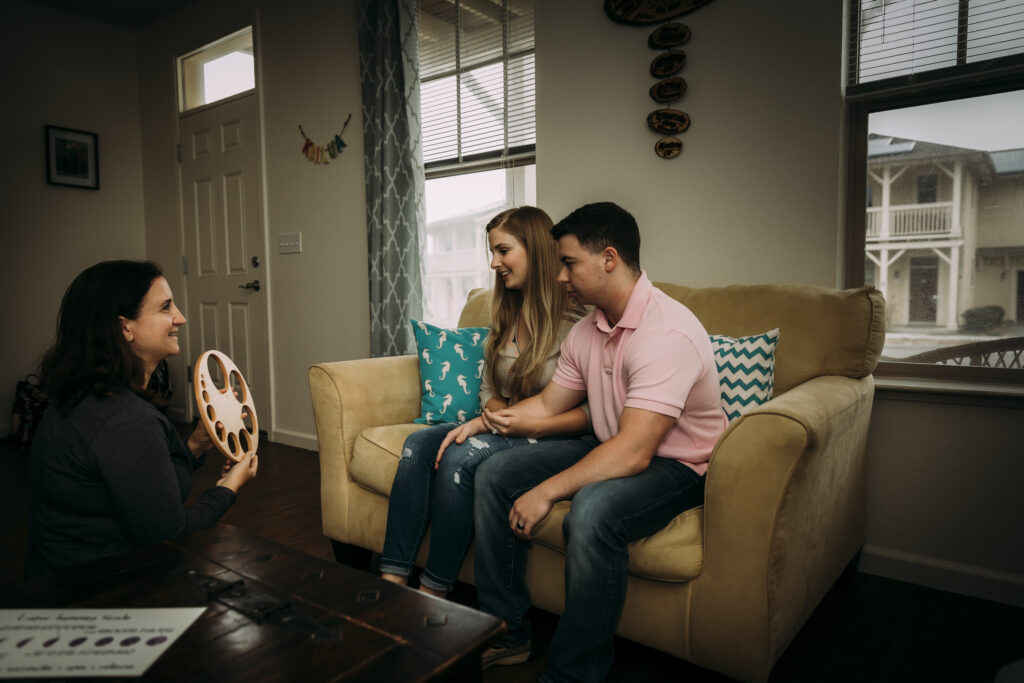
Finding a licensed midwife in Hawaii is crucial for proper maternity care. Various resources can assist in this search, including:
- Online directories
- Local midwifery organizations
- Community recommendations Utilizing these resources can help expectant families connect with qualified practitioners who meet their specific needs and preferences.
Online directories provide comprehensive listings of licensed midwives, allowing users to filter by location and specialty. Local organizations, such as the Midwives Alliance of Hawaii, play a crucial role in connecting families with midwives across the state. Community recommendations and testimonials are also invaluable, offering personal insights into the midwife’s practice and rapport with clients.
Online Directories
Online platforms provide comprehensive listings of licensed midwives, allowing users to filter by location and specialty. These directories often include profiles and contact information, making it easier for families to find qualified practitioners.
Online resources are vital for families seeking licensed midwives conveniently, helping them make informed decisions about their found maternity care time ms.
Local Midwifery Organizations
Organizations like the Midwives Alliance of Hawaii are essential for connecting individuals with licensed midwives. These local groups provide support and resources to help families find midwives in their area.
The Hawaii Home Birth Collective and Healthy Mothers, Healthy Babies also play key roles in supporting midwives, highlighting the diversity of maternity care and connecting families with midwives statewide.
Community Recommendations
Community feedback and person testimonials are crucial in selecting a midwife, offering valuable insights into the midwife’s practice and rapport with clients. Recommendations from friends, family, and community members can offer valuable personal experiences that guide the selection of a midwife.
Such testimonials are significant in establishing trust and credibility for midwives, aiding expectant parents in making informed decisions based on fact.
The Practice of Midwifery in Hawaii
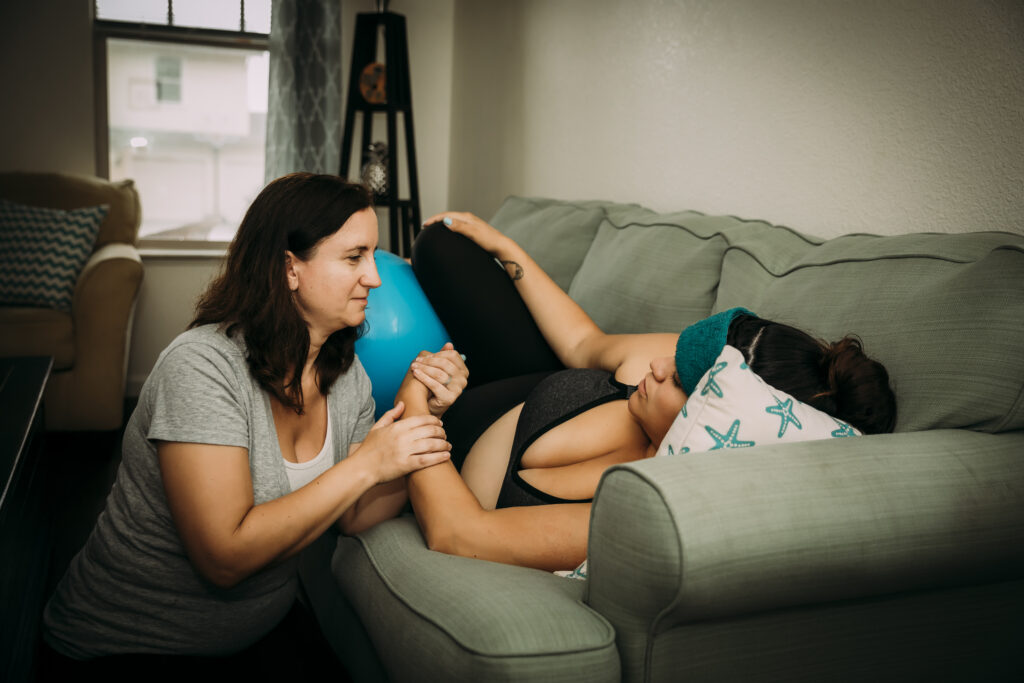
The practice of midwifery in Hawaii has evolved significantly, especially with the recent repeal of restrictive laws that previously limited midwifery practices. This change has allowed for more culturally informed care options, reflecting Hawaii’s unique blend of traditional and modern approaches to childbirth. Midwives in Hawaii, including nurse-midwives, are allowed to practice independently, granting them full authority and prescriptive rights.
Although Hawaii does not mandate state-level continuing education for Advanced Practice Registered Nurses (APRNs), Certified Nurse Midwives must adhere to the American Midwifery Certification Board’s (AMCB) Certification Maintenance Program to maintain license.
Racial discrimination remains a significant issue, affecting maternal and infant health outcomes for women of color. Addressing these disparities is crucial for ensuring equitable care for all childbearing women in Hawaii.
Home Births
In Hawaii, midwives offer essential support during home births, ensuring a safe and personalized experience. They remain available 24/7 during the final weeks of pregnancy for ongoing support and monitoring as labor approaches.
Skilled midwives provide continuous support during labor, ensuring safety and comfort for both mother and baby. They offer personalized birth options, such as delayed cord clamping and placenta encapsulation.
Hospital Births
In hospitals, midwives collaborate with medical teams and can provide care for low-risk births while ensuring compliance with hospital protocols. In Hawaii, Certified Nurse Midwives (CNMs) are often integrated into hospital settings, performing various roles similar to obstetricians.
They provide supportive care and alternative options within the medical setting, respecting patients’ preferences and ensuring a holistic provision to childbirth.
Birth Centers
Birth centers in Hawaii provide a supportive environment for midwifery care, focusing on natural birth processes and personalized care. These centers provide a homelike environment for labor and delivery, emphasizing natural birth practices while offering immediate access to medical assistance if needed.
Birth centers represent a middle ground between home births and hospital births, combining the best of both worlds for a supportive and safe childbirth experience.
Becoming a Midwife in Hawaii

Becoming a midwife in Hawaii follows a structured process to ensure safety and quality in care. State law mandates that all practicing midwives must be licensed, adhering to health professional regulations. The Department of Commerce and Consumer Affairs oversees midwifery regulation under HRS 457J, ensuring that midwives meet the necessary educational and licensure requirements.
Prospective midwives must complete a formal training program, including degrees in nursing or midwifery, and pass national certification exams. Midwives of color often face substantial financial barriers, including high tuition costs and insufficient funding options for midwifery education. Addressing these barriers is crucial for increasing diversity and representation within the midwifery profession.
Educational Pathways
Hawaii offers several accredited midwifery programs for both Certified Nurse Midwives and Certified Professional Midwives. While there are no on-campus CNM programs in Hawaii, residents can enroll in accredited online programs with local clinical placements.
Aspiring CNMs must pass the National Certification Examination administered by the American Midwifery Certification Board (AMCB) after completing educational requirements.
Licensure Process
The certification process for Certified Professional Midwives in Hawaii includes:
- Completing a midwifery education program
- Completing clinical apprenticeships
- Passing the NARM exam, a national exam focusing on supporting home births and low-intervention births
- Qualifying for licensure
CNM licensure applicants must undergo a background check and fingerprinting as part of the required application process.
Continuing Education
Certified Nurse Midwives in Hawaii must complete 30 hours of continuing education in advanced pharmacology every three years to maintain their prescriptive authority. Continuing education:
- Keeps midwives updated on best practices and evolving medical standards
- Reinforces their skills
- Enhances the safety and effectiveness of the care they provide to mothers and babies.
Ongoing education and professional development are critical for maintaining high-quality midwifery care for professionals.
Midwifery Care and Services
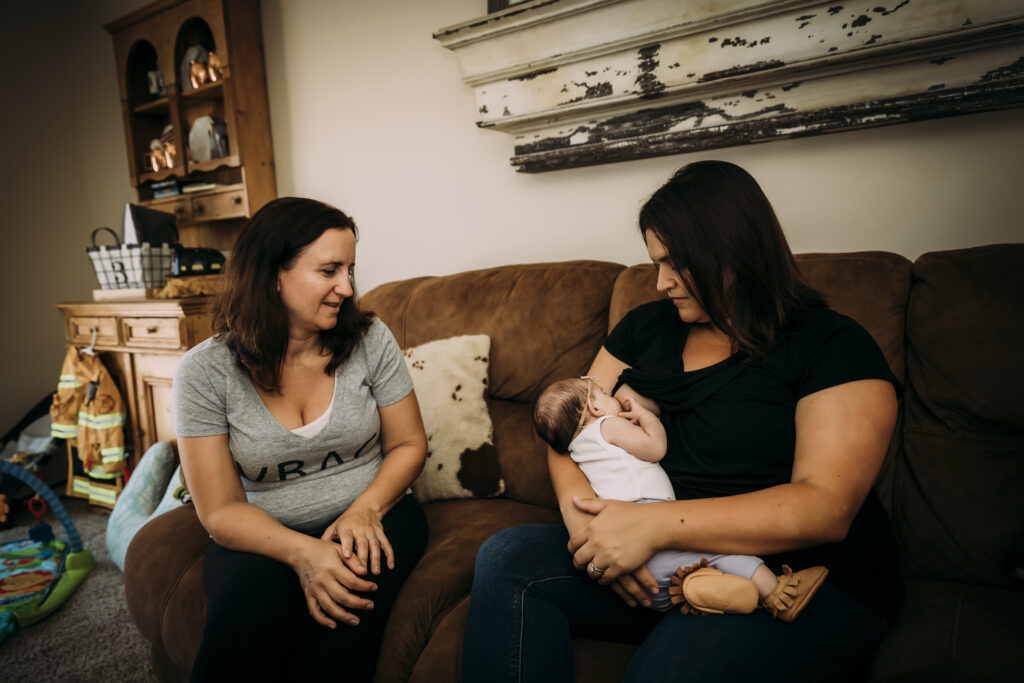
Midwives offer a comprehensive range of services supporting women throughout pregnancy, childbirth, and postpartum periods. This holistic approach to midwifery care includes personalized prenatal care, labor and delivery support, and postpartum care, ensuring the health and well-being of both mother and child. The significance of midwifery care lies in its ability to enhance maternal and child health outcomes through supportive services.
Midwifery services extend beyond maternity care to encompass sexual and reproductive health, gynecologic health, and family planning. Birth centers in Hawaii emphasize personalized and family-centered care, differing from traditional hospital environments. This broad spectrum of services highlights the essential role midwives play in the overall health and wellness of childbearing women.
Prenatal Care
Midwives in Hawaii offer comprehensive prenatal care tailored to each mother’s needs, focusing on both maternal and fetal health. Initial prenatal visits typically include a thorough physical examination, ultrasound orders, and lab work to evaluate maternal health. They provide continuous access throughout pregnancy, scheduling regular visits monthly until the 28th week, then biweekly until the 36th week, and weekly from 36 weeks onward.
Many expectant mothers in Hawaii prefer home births to avoid unnecessary medical interventions and the elimination of natural birthing experiences, so e komo mai to a more natural birthing experience, where aloha is embraced. Komo mai to this welcoming approach.
Labor and Delivery Support
Midwives play a crucial role in labor and delivery by:
- Providing personalized care and attention
- Offering continuous support
- Monitoring both the mother’s and baby’s vital signs to ensure safety throughout the process.
Midwives assist in creating a comfortable environment that supports the mother’s choices and needs, significantly enhancing the overall labor experience and reducing anxiety.
Postpartum Care
Postpartum services from midwives include:
- In-home visits supporting recovery and breastfeeding success for up to six weeks
- Monitoring the health of both mother and newborn during the initial week after birth
- Assisting with breastfeeding support
- Providing ongoing lactation consultations
- Offering essential newborn care, including vitamin K shots and metabolic screenings
Emotional support from midwives can improve birth outcomes, including lower levels of postpartum depression and higher satisfaction rates among mothers.
Addressing Racial Discrimination in Midwifery
Historically, racial discrimination has significantly shaped midwifery practices and policies, often marginalizing the contributions of diverse midwives. This discrimination has caused significant disparities in maternal and infant health outcomes for women of color, influenced by structural and interpersonal racism within healthcare systems. Addressing these issues is crucial for ensuring equitable care for all childbearing women.
Various organizations and advocacy groups focus on eliminating racial discrimination in midwifery by promoting equitable care practices and supporting midwives of color. These efforts aim to increase the diversity of the midwifery workforce and improve care for women of color, ultimately fostering a more inclusive and supportive healthcare system.
Historical Context
Racial discrimination in midwifery has historical roots, often linked to broader societal racism and inequities in healthcare access. Historically, systemic racism has influenced midwifery practices in the U.S., marginalizing midwives of color and affecting the quality of care offered to diverse populations.
Understanding this historical scope context is crucial for addressing current challenges and promoting equitable care practices.
Current Challenges
Women of color continue to face barriers such as discrimination from healthcare providers, adversely affecting their maternal health experiences and outcomes. Midwives and childbearing women of color face ongoing challenges that make access to quality care harder. A woman of color’s experience in healthcare can significantly influence her overall well-being.
Addressing these barriers is crucial for enhancing midwifery care and support for women of color.
Advocacy and Support
Organizations are working to increase the diversity of the midwifery workforce as a means to address health disparities and improve care for women of color. In Hawaii, efforts are underway to combat racial discrimination in midwifery and improve inclusivity within the healthcare system.
These initiatives focus on representation and the quality of care provided to marginalized communities, aiming to create tailored approaches for their unique needs. The overall impact of these initiatives is a more equitable midwifery practice, significantly enhancing health outcomes for women of color in Hawaii.
Emotional and Nutritional Support for Childbearing Women
A holistic approach in midwifery encompasses both emotional and nutritional support to enhance the overall well-being of childbearing women. Midwives play a crucial role in addressing both emotional and nutritional needs during pregnancy, recognizing these interconnected aspects are essential for overall well-being. This comprehensive approach ensures that expectant mothers receive the support they need throughout their pregnancy journey.
Midwifery care embraces a holistic view that integrates both emotional and nutritional support for expectant mothers. By providing personalized care and attention to these critical aspects, midwives help ensure mothers and their babies thrive during the prenatal, labor, and postpartum periods, following the midwifery model.
Emotional Well-being
During home births, midwives offer personalized and holistic care, focusing on the physical, emotional, and spiritual well-being of the mother. They create a supportive atmosphere where mothers can openly discuss emotional challenges, fostering trust and reducing stigma around mental health. Effective communication and trust-building are fundamental strategies midwives use to support mothers’ emotional health, enhancing comfort and confidence during pregnancy.
Midwives often use strategies like active listening and positive affirmations to bolster mothers’ emotional health.
Nutritional Guidance
Midwives play a crucial role in advising pregnant women on proper nutrition, emphasizing the importance of a balanced diet for both mother and child. A balanced diet during pregnancy, rich in fruits, vegetables, and whole grains, is crucial for reducing complications and promoting healthy outcomes.
Midwives offer personalized nutritional counseling and exercise analysis to support expectant mothers. Regular nutritional assessments identify any deficiencies in a mother’s diet, ensuring they receive necessary vitamins and minerals throughout pregnancy.
Summary
In summary, the practice of midwifery in Hawaii is a rich tapestry of traditional and modern approaches, providing comprehensive care for childbearing women. From understanding the roles of Certified Nurse Midwives, Certified Professional Midwives, and traditional midwives, to finding the best licensed midwife through various resources, this guide has covered all essential aspects. The holistic care model that includes emotional and nutritional support, along with efforts to address racial discrimination, ensures that all women receive the care they deserve. Embrace the journey of childbirth with confidence, knowing that Hawaii offers a supportive and culturally rich environment for your birthing experience.
Frequently Asked Questions
What types of midwives are available in Hawaii?
In Hawaii, you can access Certified Nurse Midwives (CNMs), Certified Professional Midwives (CPMs), and traditional midwives, each offering unique skills and support for childbirth. This diversity allows expectant mothers to choose a midwifery option that best fits their needs.
How can I find a licensed midwife in Hawaii?
To find a licensed midwife in Hawaii, utilize online directories and contact local midwifery organizations such as the Midwives Alliance of Hawaii for recommendations. Connecting with your community can also lead you to qualified professionals.
What kind of support do midwives provide during home births?
Midwives provide personalized, continuous support during home births, ensuring the safety and comfort of both mother and baby. They are also available 24/7 for ongoing assistance and monitoring as labor progresses.
What educational requirements are needed to become a midwife in Hawaii?
To become a midwife in Hawaii, you must complete a formal training program in nursing or midwifery and pass national certification exams. This ensures you are well-prepared for the responsibilities of the role.
How do midwives address the emotional and nutritional needs of pregnant women?
Midwives address the emotional and nutritional needs of pregnant women by offering holistic care that includes effective communication for emotional support and nutritional guidance to promote a balanced diet throughout pregnancy. This approach ensures both the physical and emotional well-being of expectant mothers.

