


To prepare for labor, you need to understand what to expect, create a birth plan, practice breathing techniques, and know your pain relief options. In this guide, we’ll cover these essentials to help you feel ready for childbirth.
Key Takeaways
- Understanding early labor signs, such as cervical changes and amniotic sac rupture, helps expectant parents prepare for childbirth.
- Crafting a detailed birth plan enhances communication with healthcare providers, ensuring preferences regarding pain management and support are respected.
- Practicing breathing techniques and physical exercises can improve pain management and overall comfort during labor, supporting a more positive birthing experience.
Understanding Early Labor

Early labor marks the beginning of the labor process, often filled with excitement and confusion. During this phase, the cervix undergoes effacement, softening, shortening, and thinning to prepare for the baby’s birth as it descends through the birth canal. Another sign of early labor is lightening, which occurs when the baby’s head drops into the pelvis. This can happen anywhere from weeks to just hours before labor begins.
Additionally, the rupture of the amniotic sac, often referred to as a water break, signals the start of labor and should prompt an immediate visit to your healthcare provider. Increased vaginal discharge is another indicator that labor may be approaching. This discharge often changes in color or consistency during late pregnancy.
Expectant parents often feel uncertain about the onset of labor, so seeking advice from healthcare professionals is beneficial. Recognizing these early signs can help you stay calm and better prepared for the journey ahead.
The Importance of a Birth Plan

Creating a birth plan and birth plans empowers you as you prepare for labor and delivery. It serves as a crucial communication tool with your healthcare providers, outlining your preferences such as:
- Pain management
- Birthing positions
- Use of a birthing ball
- Presence of a midwife or other support persons By detailing these preferences, you ensure that your healthcare team understands and respects your wishes during childbirth.
Having a detailed discussion about your birth plan with your doctor healthcare provider well before your due date ensures that your plan is realistic and feasible within your chosen birthing center or hospital, including considerations for vaginal birth.
Having a support person who knows your birth plan can be incredibly beneficial. This individual can act as an advocate, relay your preferences to others, and provide emotional and physical support throughout labor.
Breathing Techniques for Labor
Breathing techniques serve as essential tools for managing pain and maintaining control during labor. These methods not only relieve pain but also enhance the feeling of control, especially during intense contractions. Deep breathing, for instance, activates the parasympathetic nervous system, promoting relaxation and counteracting the stress of labor.
Another effective technique is 360 breathing, which helps expand the rib cage fully, improving oxygen intake and potentially aiding in pain management. Lamaze breathing, a well-known technique, promotes a calm mind and better pain management through intentional breath control. Rhythmic or patterned breathing can help maintain control and reduce pain perception during labor.
Practicing these techniques before labor conditions your body to respond more effectively once contractions begin. Focusing on your breath and repeating positive affirmations can also help maintain mental clarity during labor.
Preparing Your Body for Labor
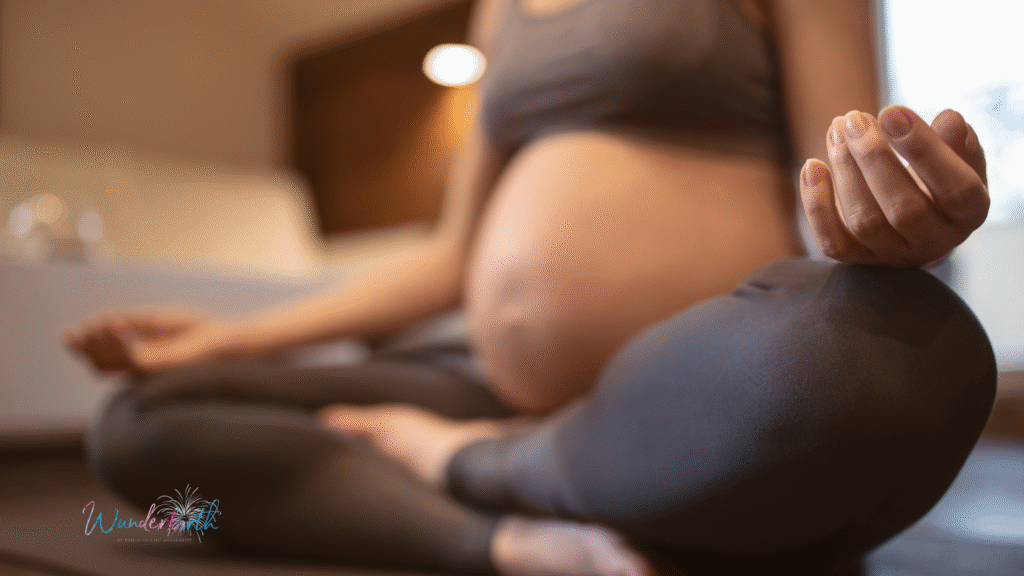
Physical preparation holds equal importance to mental preparation for labor. Strength, endurance, and flexibility are crucial for getting your body ready for the demands of childbirth. One effective exercise is the deep squat, which helps open the pelvic area, relax the pelvic floor muscles, and prepare the vagina for delivery. Hip circles performed on a birthing ball can also relieve tension and improve hip mobility.
Regular stretching can significantly enhance blood circulation, alleviate lower back pain, and improve overall flexibility. It’s recommended to start stretching exercises at the end of the second trimester to leverage the body’s flexibility for effective preparation.
Standing or walk during early labor can also help speed up the process of active labor. These physical preparations can make a significant difference in your labor experience, helping you stay relaxed and focused.
Relaxation Techniques
Relaxation during labor can significantly reduce pain perception and improve your overall experience. Mindfulness and meditation practices during the third trimester can help reduce stress and mentally prepare you for the challenges ahead. Visualization techniques, such as guided imagery, can reduce anxiety and build confidence as you prepare for labor. These techniques involve mentally rehearsing the birth process, which can help alleviate the perception of pain during labor.
Progressive muscle relaxation involves alternating between tensing and relaxing different muscle groups, promoting overall bodily relaxation. Music therapy has also been shown to lower pain intensity for women in the early stages of labor.
Creating a supportive environment with soothing music, dim lighting, and personal touches can further enhance relaxation. Natural pain relief methods, such as massage, warm baths, and breathing exercises, can also help you stay relaxed and manage pain effectively, allowing you to find a moment to rest. Additionally, pain medication can be considered when necessary to aid in this process.
The Role of a Support Person
A support person during labor can make a significant difference in your birthing experience by:
- Providing comfort, coaching, and advocacy
- Ensuring you feel supported and understood throughout the process
- Assisting with both emotional and physical needs
- Creating a calming environment
- Serving as a trusted advocate for your wishes
A support person should educate themselves about labor and delivery to effectively assist and manage expectations. Choosing a knowledgeable and supportive person can enhance the experience labor by providing reassurance and practical assistance.
Whether it’s a family member, friend, or doula, having someone by your side can provide the encouragement and support needed to navigate labor successfully.
Pain Relief Options
Pain relief options during labor vary and can be tailored to individual needs and preferences. Medical pain relief options, such as analgesics and anesthesia, are commonly used to manage discomfort. Regional anesthesia, including epidurals and spinals, is prevalent for providing extensive pain relief during labor. Analgesics can reduce discomfort by dulling the pain without completely eliminating it.
Types of anesthesia used in childbirth include:
- Local anesthesia: administered to numb specific areas, such as the vagina, typically just before delivery.
- General anesthesia: used in emergencies, such as unplanned cesarean section, to induce sleep.
- Nitrous oxide: inhaled to alleviate anxiety and pain, though it requires careful monitoring due to potential side effects.
Natural pain relief techniques can help manage pain during labor, including:
- Massage
- Water therapy
- Breathing exercises Discussing various pain relief methods with your healthcare provider helps create a plan that aligns with your preferences.
Positions During Labor

Finding the right positions during labor enhances comfort and supports the process. Alternating positions provides a sense of control and helps manage pain. Leaning forward can relieve back pain and create more space in the pelvis. Squatting is another effective position, as it helps open up the pelvis, facilitating the baby’s movement through the birth canal.
Kneeling and leaning forward can offer support and ease back discomfort. Using a birthing ball for rocking motions can be soothing during contractions. Listening to your body’s cues and adapting your positions to maximize comfort is crucial during labor. By exploring different positions, you can find what works best for you and make the labor process more manageable.
Nutrition and Hydration Tips
Proper nutrition and hydration prepare your body for labor. Prenatal vitamins, especially those with folic acid, can help reduce pregnancy-related complications for pregnant people. In the final weeks of pregnancy, maintaining a balanced diet ensures you have the energy and stamina needed for labor.
Staying hydrated is equally important, as it helps maintain your body’s optimal function during this demanding time.
Mental Preparation
Mental preparation is crucial for getting ready for labor. Methods to enhance your mindset include:
- Practicing positive affirmations, which can significantly enhance your mindset.
- Using visualization techniques to mentally rehearse your birth experience, fostering a sense of control.
- Attending childbirth classes that provide essential education and boost confidence and readiness for labor.
Engaging in mental exercises can help manage fear and stress associated with childbirth. Mental preparation impacts confidence and coping strategies during childbirth, making it a crucial part of your overall preparation. By focusing on mental readiness, you can approach labor with a calm and positive outlook.
What to Pack for the Hospital

Packing the right items for the hospital makes your stay more comfortable and organized. Along with personal items, bring cozy socks and a warm robe for added comfort, as well as comfortable clothes. Having a cell phone with a charger is crucial to stay connected and capture those early moments with your baby.
Avoid overpacking, as hospitals typically provide diapers and postpartum supplies to new mothers. Packing the right items can make your hospital stay more comfortable and organized. Being prepared with the essentials ensures that you can focus on welcoming your new baby without unnecessary stress.
Post-Labor Recovery
Postpartum recovery includes both physical and emotional adjustments that may last weeks after delivery. Vaginal soreness can occur due to tears or episiotomies during delivery, and it may take several weeks to heal. After delivery, you may experience a vaginal discharge that changes over 4 to 6 weeks, starting bright red and later becoming yellow or white.
Contractions known as afterpains may occur for a few days post-delivery, often intensifying during breastfeeding. Breast engorgement typically occurs a few days after birth, leading to painful contractions and uterine contractions if not managed by frequent breastfeeding.
Routine postpartum checkups monitor recovery and address any ongoing issues after delivery. Understanding the recovery process helps manage your expectations and allows you to focus on healing and bonding with your new baby.
Summary
In summary, preparing for labor and birth involves a combination of physical, mental, and practical steps. Understanding the signs of early labor, creating a detailed birth plan, and practicing breathing and relaxation techniques can significantly enhance your birthing experience. It’s also crucial to have a knowledgeable support person and to explore various pain relief options and labor positions. Proper nutrition and mental preparation play vital roles in ensuring you are ready for the challenges of labor.
As you approach your due date, remember that every birth experience is unique. Stay informed, trust your instincts, and lean on your support system. By following these tips and preparing effectively, you can embrace the journey of labor and birth with confidence and positivity.
Frequently Asked Questions
What is the 5 3 1 rule in pregnancy?
The 5-1-1 Rule in pregnancy indicates that you should go to the hospital when contractions occur every 5 minutes, lasting 1 minute each, for at least 1 hour. Additionally, be aware of other signs such as leaking amniotic fluid.
What are the early signs of labor?
Early signs of labor include effacement, lightening, the rupture of membranes, and increased vaginal discharge. Recognizing these signs can help you prepare for the arrival of your baby.
Why is creating a birth plan important?
Creating a birth plan is important as it facilitates effective communication with your healthcare providers by clearly outlining your preferences for labor and delivery. This ensures that your wishes are understood and respected during the birthing process.
How can breathing techniques help during labor?
Breathing techniques can effectively relieve pain and enhance control, thereby promoting relaxation during labor. Utilizing these techniques can lead to a more positive birthing experience.
What should I pack for the hospital?
It is essential to pack personal items such as cozy socks, a warm robe, and a cell phone with a charger, while keeping your packing minimal. Focus on comfort and practicality to ensure a smoother hospital stay.

