


Curious about how much does a home birth cost? On average, a home birth in the U.S. costs around $4,650, but this can vary based on factors like midwife fees, medical supplies, and additional services. This article breaks down these costs to help you plan financially for a home birth.
Key Takeaways
- Home birth costs typically average around $4,650 in the U.S., primarily influenced by midwife fees, medical supplies, and optional services.
- Home births can be approximately 65.7% cheaper than hospital births, with significant potential savings despite varying insurance coverage.
- Long-term benefits of home births may include enhanced emotional well-being and stronger family bonds, alongside immediate financial savings.
Breaking Down Home Birth Costs

Various factors can influence the cost of a home birth, so it’s important to understand each component that contributes to the total expense. Typically, home birth costs include midwife fees, medical supplies, and additional services that may enhance the birthing experience. On average, a home birth in the United States costs around $4,650, but this figure can vary significantly based on individual circumstances and location.
The fees for midwives typically account for the largest share of the expenses associated with home births. This can significantly impact the overall cost of the experience. These fees usually cover prenatal visits, labor and delivery, and postpartum care. Additional expenses might include medical supplies, which are vital for ensuring a safe and comfortable birth at home, and various optional services such as doula support or birth photography.
Understanding the breakdown of these costs can help you plan effectively and ensure that you are financially prepared for the arrival of your new baby. The following subsections will delve deeper into each of these components, providing a detailed look at what you can expect to pay and why.
Midwife Fees
Midwife fees are a significant part of the home birth cost, typically ranging from $3,000 to $9,000. These fees generally cover comprehensive care throughout the pregnancy, including prenatal visits, labor and delivery, and postpartum check-ups. The specific amount can vary based on the midwife’s experience, certification, and the region where you live.
Some midwives may charge additional fees for services such as bloodwork or ultrasounds, which are not always included in the standard package. Discuss potential extra costs with your midwife upfront to avoid any surprises later on.
Choosing a certified nurse midwife or a licensed midwife who provides a holistic approach to midwifery practices can also influence the cost but ensures comprehensive and personalized care from certified nurse midwives.
Medical Supplies and Home Birth Kit
Aside from midwife fees, another critical component of home birth costs is the medical supplies and home birth kit. A typical home birth kit, which includes essential medical and sanitary supplies, costs between $50 and $300. These kits are designed to provide everything needed for a safe and comfortable home birth, including items like sterile gloves, disinfectants, and absorbent pads.
For those considering a water birth, additional accessories such as sanitary liners, water pillows, and heaters may be required. The rental cost for a birthing tub typically ranges from $100 to $250 for water births.
Gather all necessary birth supplies by the 36th week of pregnancy to ensure readiness for labor and delivery. Having a comprehensive home birth checklist can help ensure that all essential items are prepared in advance.
Additional Services
Many parents opt for additional services to enhance their home birth experience. One such service is birth doula services, which:
- Provides physical, emotional, and informational support during labor and delivery
- Can range in cost from $800 to $2,500
- Offers continuous support and comfort
- Helps create a positive birthing environment
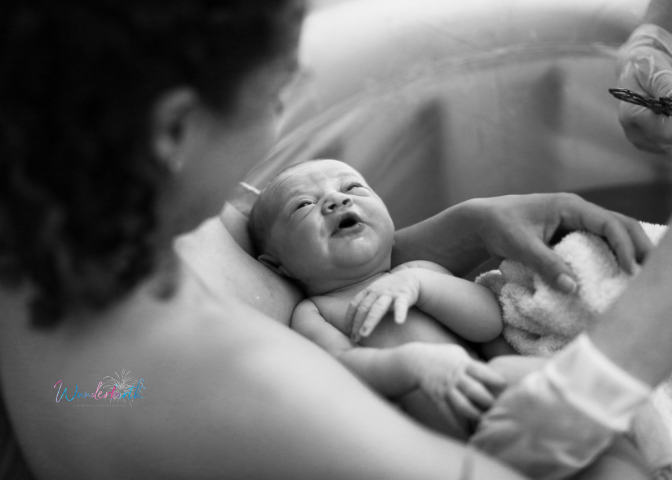
Birth photography is another service that many parents choose to capture the intimate moments of their home birth experience for birthing people. The cost of hiring a birth photographer can vary, but it adds a priceless value by preserving the memories of this significant life event.
Discuss your preferences and potential charges with your care providers ahead of time to ensure all desired services are included in your birth plan.
Comparing Home Birth and Hospital Birth Costs
When deciding between a home birth and a hospital birth, understanding the financial implications is crucial. Generally, home births are less expensive than hospital births, which can range from $15,000 to $30,000 or more. This significant cost difference is due to various factors, including the higher costs of medical interventions and facility fees typically associated with hospital births. If you’re wondering how much does a home birth cost, it’s important to consider these factors, including the overall cost of home birth.
Home birth costs primarily consist of midwife fees, medical supplies, and additional services, while hospital births often involve additional expenses for interventions like epidurals and C-sections. Insurance coverage can also play a significant role in the overall cost, as not all insurance plans cover home births comprehensively.
Comparing the costs of home births and hospital births helps expectant parents make a well-informed decision that aligns with their financial situation and birth plan preferences. The following subsections will provide a detailed comparison of these expenses.
Home Birth Expenses
The expenses associated with home births can vary widely, depending on several factors:
- Midwifery care, which typically ranges from $3,000 to $9,000, is one of the most significant costs.
- Additional expenses may include medical supplies.
- Lab work.
- Ultrasounds, which are necessary for monitoring the health of both the mother and baby.
Insurance coverage for home births can be limited, resulting in higher out-of-pocket expenses for parents. Evaluate all these costs and consider the potential need for a backup plan, such as a hospital transfer, which could add to the overall expense.
Hospital Birth Expenses
Hospital births tend to be more expensive due to the higher costs of medical interventions and facility fees. The average cost of a hospital birth in the U.S. is around $18,865. This amount can increase significantly if additional interventions such as epidurals, C-sections, or extended hospital stays are required.
Insurance usually covers a portion of these costs, but high deductibles and co-pays can still result in substantial upfront cost out-of-pocket expenses for parents who may need to pay out of pocket. Understanding your insurance plan and what it covers is crucial to avoid unexpected financial burdens.
Overall Cost Analysis
Overall, home births can be approximately 65.7% cheaper than hospital births. This significant cost difference provides a compelling financial incentive for many parents to consider home births. Additionally, home births can reduce overall healthcare costs by minimizing the need for medical interventions and hospital stays.
Long-term financial planning should include a thorough comparison of both the cost associated with home births and hospital births. Shifting even a small percentage of births from hospitals to home births can result in substantial annual potential savings for society.
Insurance Coverage for Home Births

Insurance coverage for home births can vary widely depending on the insurance plan and state regulations. Not all midwife practices accept insurance, and coverage for home birth costs can be inconsistent. Knowing how your insurance plan categorizes and covers these costs is crucial for planning a home birth.
Expectant parents should be proactive in seeking clarity from their insurance providers and healthcare providers to secure coverage for their planned home birth. This allows them to better manage out-of-pocket expenses and align financial planning with their birth plan.
Health Insurance Plans
Many families face significant out-of-pocket expenses for home births, even if some insurance plans provide coverage. Insurance coverage for home births can differ based on whether the provider is in-network or out-of-network. Medicaid covers home births in 21 states, indicating a significant variation in coverage across different regions.
States like Oregon and Washington have specific provisions in their Medicaid programs to cover home births. Expectant parents should reach out to their insurance provider early in pregnancy. This helps them understand their coverage and any possible out-of-pocket costs.
Financial Assistance and Payment Plans
Various resources are available for financial assistance or reimbursement for home birth costs. Some midwives accept Medicaid but may limit the number of patients they accept due to low reimbursement rates. Nonprofit organizations often provide grants or aid for birthing expenses, which can significantly offset the cost.
Crowdfunding platforms like GoFundMe have also become a viable option for covering home birth expenses. Utilizing tools like health savings accounts can help manage and cover some costs associated with home births, providing additional financial support.
Assessing Affordability: Is a Home Birth Right for You?

Determining if a home birth fits within your budget requires a detailed financial analysis. Planning for home birth costs should include:
- Conducting a personal financial evaluation to understand affordability
- Evaluating your financial readiness
- Consulting experts to account for all necessary expenses
The significant financial impact of having a baby necessitates careful consideration of affordability, especially concerning home birth. For some, concerns about costs may lead to choosing an unassisted home birth, which carries its own set of risks and considerations.
Budget Planning
Creating a budget for a home birth ensures all necessary costs are accounted for. The budget should include:
- Midwife fees, which typically range from $3,000 to $9,000, depending on individual circumstances.
- Medical supplies necessary for the birth.
- Any postpartum care.
Additional services such as doula support may also be factored into the overall budget. Crowdfunding and organization grants can provide financial assistance with home birth expenses, helping to manage out-of-pocket costs.
Evaluating Financial Readiness
Assessing financial readiness involves considering both immediate expenses and potential long-term benefits of a home birth. Women who opt for home births often report higher satisfaction levels during and after the birth experience.
Home birth can enhance emotional well-being by fostering a sense of empowerment and control. Mothers who choose home births often report higher satisfaction levels and a stronger emotional connection with their newborns.
Safety Considerations and Cost Implications
Balancing cost considerations with ensuring a safe delivery for both mother and child is crucial. Planned home births can have increased risks of complications, especially if proximity to a hospital is inadequate. Delays in receiving medical intervention during emergencies can pose a significant drawback for home births.
Certain pregnancies, such as multiples, previous cesareans, or non-headfirst positions, may carry higher potential risks during home births. Potential hospital transfers and associated charges are unexpected costs that should be factored into the planning for home births.
Risk Factors and Emergency Plans
Having an emergency plan is essential for a safe home birth, addressing unexpected situations. Preparation for emergencies should include discussing needed supplies, emergency handling capabilities, and protocols for transferring to a medical facility.
A safe home birth requires a certified midwife or trained professional and no complicating medical issues. Low-risk pregnancies are more likely to succeed in home births, reducing potential complications.
Safety vs. Cost Efficiency
Safety is paramount when it comes to home births, but it can also influence the overall cost efficiency. Home births may result in fewer medical interventions during labor, such as epidurals or C-sections, contributing to a more positive physical experience and reducing costs. This potential for fewer interventions can lead to lower overall costs related to the childbirth process.
Balancing the safety of the delivery experience with associated costs is crucial for expectant parents considering home births. A safe delivery at home can be cost-effective, provided that all necessary precautions and emergency plans are in place.
The goal is to ensure a healthy delivery for both mother and baby while effectively managing financial aspects.
The Long-Term Value of Home Birth

The benefits of a home birth extend beyond the immediate financial savings and into long-term value for the family. Home births can lead to stronger family bonds due to the intimate environment and personalized care. This nurturing setting often fosters lasting positive effects on family dynamics and parenting styles.
Choosing a home birth offers unique long-term benefits beyond the birthing experience itself. The following subsections will explore the emotional and physical benefits as well as the personalized care and comfort that home births provide.
Emotional and Physical Benefits
Home birth fosters a sense of comfort and security, allowing mothers to feel more in control during the birthing process. The personalized environment can reduce anxiety and fear, leading to a more positive birth experience overall. Additionally, home births often result in shorter labors and fewer complications compared to hospital births.
Mothers who give birth at home generally experience lower instances of postpartum depression and quicker recovery times. This holistic approach to giving birth not only enhances physical well-being but also promotes emotional health, contributing to a more satisfying women’s experience.
Personalized Care and Comfort
Home births typically involve continuous care from a midwife, which can enhance the emotional support provided during labor. This continuous presence helps manage pain and anxiety, contributing to a more positive and comfortable birthing experience. The emphasis on personalized care allows for a unique birthing experience tailored to the mother’s needs, including aspects of maternity care.
Ultimately, the personalized care approach in home births fosters a nurturing environment that can lead to better outcomes for both mother and baby. By focusing on the individual needs of the birthing person, home births offer a supportive and comforting experience that extends well into the postpartum period and emphasizes the importance of birth care.
Summary
In summary, the cost of a home birth encompasses various components, including midwife fees, medical supplies, and additional services. While the average cost of a home birth in the U.S. is around $4,650, this amount can vary based on individual circumstances and location- including Hawaii. In contrast, hospital births can cost significantly more, ranging from $15,000 to $30,000 or more, primarily due to higher costs of medical interventions and facility fees.
Insurance coverage for home births can vary widely, and understanding your plan is essential for managing out-of-pocket expenses. Financial assistance options, including payment plans, grants, and crowdfunding, can help offset the costs of home births. Assessing your financial readiness and creating a comprehensive budget are crucial steps in determining if a home birth is a viable option for you.
Ultimately, home births offer unique long-term benefits, including emotional and physical well-being and personalized care that fosters a nurturing environment for both mother and baby. By carefully considering the costs, insurance coverage, safety implications, and long-term value, expectant parents can make an informed decision that aligns with their birth plan and financial situation.
Frequently Asked Questions
How much does a home birth typically cost in the U.S.?
A home birth in the U.S. typically costs around $4,650, although this can vary depending on midwife fees and additional services. It’s essential to consider these factors when budgeting for a home birth.
What are the main components of home birth costs?
The main components of home birth costs are midwife fees, medical supplies, and optional services like doula support or birth photography. Understanding these costs can help you budget effectively for your home birth.
How do home birth costs compare to hospital birth costs?
Home births typically cost less than hospital births, which can range from $15,000 to $30,000 or more due to medical interventions and facility fees. Consequently, opting for a home birth can provide a more economical choice for expectant families.
Does insurance cover home birth costs?
Insurance coverage for home birth costs varies significantly by plan and state. It is essential to contact your insurance provider early to clarify your specific coverage details.
What financial assistance options are available for home births?
You can explore several financial assistance options for home births, such as payment plans, grants from nonprofits, Medicaid coverage in certain states, and crowdfunding platforms like GoFundMe. These resources can help alleviate the costs associated with home birthing.

