


Preterm labor, or early labor, starts before 37 weeks of pregnancy. What causes early labor? Factors include previous preterm births, multiple pregnancies, and medical conditions like high blood pressure or infections. Understanding these causes is essential for taking preventive measures. This article explains these causes and dives into symptoms, risks, and prevention strategies for early labor.
Key Takeaways
- Early labor, occurring before 37 weeks of pregnancy, poses significant risks for both mother and baby, including complications like low birth weight and respiratory issues.
- Identifying triggers and risk factors such as previous preterm births, multiple pregnancies, and underlying medical conditions can aid in preventative strategies to delay early labor.
- A combination of healthy lifestyle choices and medical interventions, such as progesterone supplements and continuous monitoring, is essential for preventing early labor and ensuring better outcomes for high-risk pregnancies.
Understanding Early Labor
Early labour, also known as preterm labor, happens when labor starts before reaching 37 weeks of pregnancy. This premature labour can pose risks for both the mother and the baby, including low birth weight, respiratory issues, and developmental delays. Recognizing the signs of early labor allows for timely medical intervention and prevention of premature births.
Preterm labour is characterized by regular uterine contractions and cervical changes before the 37th week of pregnancy, called preterm. Identifying what triggers early labor and recognizing risk factors can aid in taking preventive measures to delay labor and improve the chances of a healthy pregnancy. Preterm labor contractions can be a significant concern during this time.
What triggers early labor?
Multiple factors, including medical history, lifestyle choices, and environmental influences, can trigger early labor. Identifying specific causes of preterm labor can be complex due to a combination of known and unknown risks. Previous preterm births, multiple pregnancies, and underlying medical conditions like high blood pressure or infections can significantly increase the likelihood of experiencing preterm labor.
A balanced diet rich in fruits, vegetables, and whole grains during pregnancy can positively influence maternal and fetal health, potentially reducing the risk of early labor. Staying physically active and avoiding environmental pollutants and chemicals can further protect fetal development and decrease the chances of preterm labor.
Spacing pregnancies by at least 18 months can also help decrease the risk of preterm labor.
Risk factors for early labor
Certain factors significantly increase the likelihood of preterm labor:
- A history of delivering preterm or experiencing preterm labor, which places a woman at higher risk for future instances.
- Carrying multiple pregnancies, such as twins or triplets, which significantly increases the chances of early labor.
- Underlying medical conditions like high blood pressure or infections, which heighten the risk of experiencing preterm labor.
These risk factors can affect pregnant women differently. For instance, medical risk factors such as previous preterm births and certain risk factors related to health conditions can elevate the risk of preterm labor. Awareness of these known risk factors allows for better monitoring and preventive measures to ensure a healthier pregnancy and reduce the likelihood of early labor.
Complications of early labor
Early labor can lead to numerous complications for the baby, including trouble breathing and low birth weight. Premature infants are particularly vulnerable to respiratory distress syndrome, which is caused by underdeveloped lungs lacking sufficient surfactant. This condition often requires medical interventions to support breathing and can have long-term health implications for the baby as the baby’s lungs develop.
Premature birth is a significant cause of ongoing health challenges, including serious health problems, affecting about 10% of all newborns and leading to increased infant mortality and morbidity. Other complications of early labor include vaginal discharge changes, which may indicate cervical changes, and pelvic pressure, signaling that the baby is descending into the birth canal.
Early recognition of these complications can lead to timely medical interventions and better outcomes for both mother and baby.
Symptoms of Early Labor

Recognizing the symptoms of preterm labor is vital for timely medical intervention and prevention of premature birth. Early signs of labor, such as contractions and other symptoms, can indicate the need for prompt medical assistance. Awareness of these symptoms enables expecting parents to take immediate action to prevent early labor and ensure the best possible outcome for their baby.
Early labor can present various signs, including:
- Tightening of the abdomen
- Increased backache
- Onset of vaginal discharge
- An urge to frequently urinate due to the baby’s positioning
Recognizing these symptoms can prompt timely medical intervention to prevent premature birth.
How do early labor contractions feel?
Early labor contractions are a significant sign that labor may be starting, emphasizing the need for awareness of these symptoms. Unlike Braxton Hicks contractions, which are usually irregular and not as painful, early labor contractions are:
- Stronger
- More painful
- More regular These contractions can feel like:
- Intense menstrual cramps
- A tightening sensation in the lower abdomen.
Immediate medical attention is required if early labor contractions worsen, as this may indicate progressing labor. Distinguishing between Braxton Hicks contractions and early labor contractions is crucial for timely medical intervention and preventing premature birth.
Other signs of early labor
In addition to contractions, other signs of early labor include pelvic pressure, lower back pain, and alterations in vaginal discharge. Vaginal bleeding, increased pelvic pressure, and persistent lower back pain may indicate the onset of early labor. Changes in vaginal discharge, especially if it appears bloody or thicker than usual, can also signify the onset of labor, particularly in the pelvis or lower belly.
It’s important to contact a healthcare provider if any concerning symptoms are experienced. Early recognition of these signs can lead to timely medical intervention and a better outcome for both mother and baby.
Diagnosing Early Labor
Diagnosing early labor involves monitoring symptoms, checking cervical dilation, and conducting ultrasounds. Early detection of preterm labor diagnosed is vital for implementing interventions to delay labor and improve outcomes for the baby. Identifying signs of early labor allows healthcare providers to take steps to prevent premature birth and ensure the best possible outcome for both mother and baby.
Medical records and details about timing and symptoms during previous preterm birth deliveries can help identify the cause of past preterm births. This information helps healthcare providers develop personalized strategies to manage and prevent future early labor instances.
Tests used to diagnose early labor
Common tests for early labor include ultrasound, cervical checks, fetal heartbeat monitoring, and urine and blood tests. Providers may perform pelvic exams and transvaginal ultrasounds to evaluate the risk of preterm labor. The presence of fetal fibronectin, detected through lab tests, suggests imminent delivery and indicates a potential risk of preterm labor.
These tests and examinations help healthcare providers diagnose early labor and take necessary steps to delay labor if possible. Early diagnosis is vital for implementing interventions that can improve outcomes for both mother and baby.
Preventing Early Labor

Preventing early labor requires a combination of healthy lifestyle choices and medical interventions. Healthy habits during pregnancy significantly reduce the risk of preterm labor. High-risk pregnancies require enhanced medical supervision to mitigate potential complications for both mother and fetus.
For those with a history of preterm birth, treatments like progesterone supplements or cervical stitches can help delay labor. Combining healthy lifestyle choices with effective medical interventions offers the best strategy to prevent early labor and ensure a healthy pregnancy.
Healthy lifestyle choices
Maintaining a healthy weight is crucial, as both underweight and overweight women face higher risks of preterm birth. Avoiding smoking and recreational drug use reduces the risk of early labor. Managing mental health through stress-reduction techniques helps in preventing early labor.
Regular physical activity helps in managing weight and preventing gestational diabetes. Adopting these healthy lifestyle choices can significantly reduce the risk of early labor and ensure a healthier pregnancy.
Medical interventions
Progesterone may be prescribed to lower the risk of preterm labor, especially for women diagnosed with a short cervix early in their pregnancy. Cervical cerclage, a surgical procedure where the cervix is stitched closed, may be recommended to prevent early labor in women with a history of cervical insufficiency.
These medical interventions, combined with regular prenatal care and monitoring, can prevent early labor and improve outcomes for both mother and baby. While these high-risk pregnancy procedures are not midwifery care, it is important to consult with healthcare providers to develop a personalized plan helps manage the risk of preterm labor.
Treatment Options for Early Labor

If early labor occurs, several treatment options are available to halt or delay labor and prepare for a premature birth. Factors influencing treatment decisions include the health of the mother and baby, as well as the baby’s age, weight, and health conditions. Indicators that may prompt medication to stop or delay labor include cervical changes, signs of infection, or ruptured membranes.
Treatment options for early labor can include bed rest, IV fluids, and medications to halt contractions. A healthcare provider may offer treatments to stop labor or improve the baby’s health during early labor.
Medications to stop labor
Tocolytics are prescribed to temporarily slow down contractions and can delay labor briefly. These medications provide time for additional medical treatment and monitoring to improve outcomes for both mother and baby.
Magnesium sulfate may be administered in some cases to delay labor and improve the baby’s neurological outcomes. These medications provide valuable time for additional medical interventions and preparations for a possible premature birth.
Preparing for premature birth
If early labor cannot be stopped, preparing for a premature birth is essential. Medications that mature the fetus’s lungs and organs may be administered to improve outcomes. Premature infants often require long-term medical care due to ongoing health challenges.
Preparing for a birth plan for a premature birth involves ensuring that the neonatal intensive care unit (NICU) is ready to provide the necessary support and care. Working closely with healthcare providers helps expecting parents prepare for the challenges of a premature birth and ensure the best possible outcome for their baby.
Managing High-Risk Pregnancies
Specialized management strategies are needed for high-risk pregnancies to minimize the chances of premature labor and promote positive outcomes. Continuous monitoring and support are essential for managing the risks associated with high-risk pregnancies.
Frequent prenatal visits and specialized tests are essential for monitoring the health of both mother and fetus in high-risk cases. Consulting a maternal-fetal medicine specialist can offer personalized strategies to mitigate the risk of preterm labor.
Prenatal care for high-risk pregnancies
Routine prenatal appointments are crucial for women with high-risk pregnancies to closely monitor their health and the fetus’s development. Frequent prenatal visits and specialized tests are essential for monitoring the health of both mother and fetus in high-risk cases.
Consultations with maternal-fetal medicine specialists and a health professional are crucial for managing complications associated with high-risk pregnancies. These specialists can offer personalized strategies to mitigate the risk of preterm labor and ensure the best possible outcomes for both mother and baby.
Monitoring and support
Continuous observation of high-risk pregnancies allows for timely intervention if any complications arise. Continuous fetal monitoring helps identify potential issues early, enabling timely intervention.
Research indicates that early detection of potential complications through continuous monitoring allows healthcare providers to implement interventions to manage risks effectively. This proactive approach can significantly improve outcomes for both mother and baby in high-risk pregnancies.
Long-Term Effects of Premature Birth
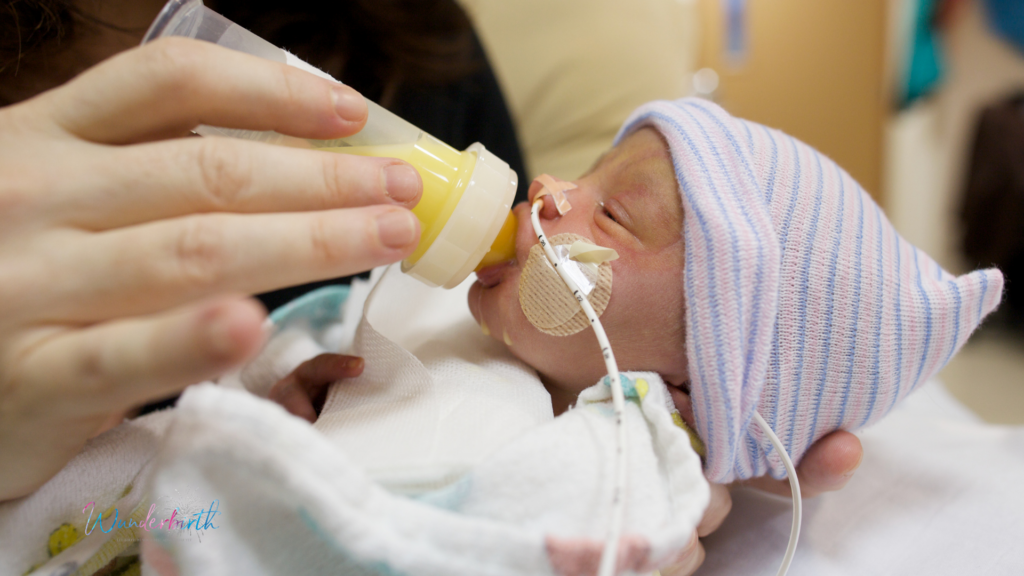
The long-term effects of premature birth can be profound, impacting the health and development of preterm babies well beyond their early years. Babies born prematurely often face challenges such as respiratory issues and a higher likelihood of requiring specialized care in a neonatal intensive care unit (NICU). These early health challenges can have lasting effects on a child’s development and overall health.
Premature birth is associated with complications like low birth weight, which can affect a child’s growth and development. Medications like corticosteroids can help reduce health risks associated with premature birth by maturing the fetus’s lungs and organs. Despite these interventions, preterm babies may still face long-term health issues, underscoring the importance of early intervention and continuous medical support.
Health problems in premature babies
Premature infants often require extensive medical support due to various complications associated with their early birth. Neurological problems such as cerebral palsy and developmental delays are more common among premature infants compared to those born at full term. Conditions like cerebral palsy can arise, particularly in those affected by intraventricular hemorrhage or hydrocephalus.
Developmental delays are frequently observed in preterm infants, necessitating monitoring and early intervention services. Additionally, children born early, born sooner, and born prematurely are at a higher risk for developing chronic non-communicable diseases later in life due to disruptions in organ development that can delay birth.
Early intervention services can significantly support the development of premature infants facing cognitive and physical challenges.
Support for families
Families of premature infants often need emotional support and resources to cope with the challenges of their child’s medical needs. The stress and anxiety associated with caring for a premature baby can be overwhelming, making a strong support system essential. Counseling and access to resources can help families manage the unique challenges they face.
Support networks for families can include resources that help navigate the complexities of caring for a premature baby, from medical care to developmental services. By connecting with other families and support groups, parents can find comfort and practical advice to help them through this challenging journey.
Summary
Understanding the causes, signs, and risks of early labor is crucial for expecting parents and healthcare providers alike. From recognizing symptoms and diagnosing preterm labor to exploring preventive measures and treatment options, this guide offers comprehensive insights into managing and preventing early labor. By adopting healthy lifestyle choices and seeking appropriate medical interventions, the risk of preterm birth can be significantly reduced, ensuring better outcomes for both mother and baby.
Premature birth presents numerous challenges, but with the right knowledge and support, families can navigate these difficulties with confidence. Continuous monitoring and specialized care for high-risk pregnancies, along with early intervention services for premature babies, play a vital role in promoting positive outcomes. By staying informed and proactive, expecting parents can help ensure a healthier start for their babies and a brighter future ahead.
Frequently Asked Questions
What are the common signs of early labor?
Common signs of early labor are regular uterine contractions, increased pelvic pressure, lower back pain, and changes in vaginal discharge. Recognizing these signs is crucial for timely medical attention.
How can I distinguish between Braxton Hicks contractions and early labor contractions?
Braxton Hicks contractions are typically irregular and less painful, while early labor contractions are stronger, more consistent, and accompanied by discomfort. Recognizing these differences can help you determine your stage in the labor process.
What are some risk factors for preterm labor?
Some significant risk factors for preterm labor are a history of prior preterm births, multiple pregnancies, and underlying medical conditions like high blood pressure or infections. Recognizing these factors can help in managing and reducing the risk of premature delivery.
How can I prevent early labor?
To prevent early labor, it is essential to maintain a healthy lifestyle, avoid smoking and recreational drugs, manage stress effectively, and consult your healthcare provider for potential medical interventions such as progesterone supplements or cervical cerclage if needed.
What long-term health issues can premature babies face?
Premature babies are vulnerable to long-term health issues, including respiratory problems, developmental delays, cerebral palsy, and an increased risk of chronic non-communicable diseases. These challenges emphasize the need for comprehensive care and monitoring throughout their early development.

